


The Artisan Loaf Oven
The Artisan Loaf Oven
Two cast iron loaf pans that fit together for covered sourdough baking, or can be used separately for sandwich bread and everyday loaf recipes.
Low stock - Most orders ship within 1 business day
Couldn't load pickup availability
 Free Shipping
 30-Day Returns
 12-Month Warranty


Key Features
Key Features
A two-pan enameled cast iron loaf baker for covered sourdough baking and everyday loaf recipes. Use one pan for the dough and the second as a full-depth cover to help retain steam, or use both pans separately for sandwich bread, banana bread, loaf cakes, meatloaf and more. The matte black enamel interior requires no seasoning.
Features:
- Two-pan design for covered sourdough baking.
- Loaf-pan shape suits sourdough, sandwich bread and other loaf recipes.
- Use the pans together or separately.
- Second pan acts as a full-depth cover, leaving room above the dough while baking.
- Heavy cast iron holds heat well throughout the bake.
- Matte black enamel interior requires no seasoning.
- Oven safe up to 500°F (260°C).
New to the Artisan Loaf Oven? Read our First Bake Guide →
Dimensions
Dimensions

Shipping, Returns & Warranty
Shipping, Returns & Warranty
Fast & Free Shipping
- Free Shipping Across the US & Canada
Free standard shipping with no minimum order value. - Ships Fast
Most orders leave our local warehouses within 1 business day, and usually arrive in 3–5 business days.
Easy 30-Day Returns
- Changed your mind? No stress.
You have 30 days from delivery to request a return. - Simple Return Shipping
We’ll send you a prepaid return label, so you don’t have to figure it out yourself. A flat $9.99 return shipping fee will be deducted from your refund for each product returned.
Arrived Damaged? We'll Make It Right.
If your cookware arrives chipped, cracked or otherwise damaged in transit, send us a photo and we’ll arrange a replacement.
In most cases, there’s no need to return the damaged item.
12-Month Warranty
If your cookware chips, cracks or flakes due to a manufacturing defect within 12 months of purchase, contact us and we’ll arrange a replacement or refund.
Safe, Pure & Non-Toxic
Safe, Pure & Non-Toxic
Simple Materials, No Synthetic Non-Stick Coatings
Cookware should be made from materials you understand and trust.
Our cookware is made from cast iron, with either an enamel finish or a traditional oil-seasoned cooking surface. We don't use synthetic non-stick coatings.
Enameled Cast Iron
Glass enamel is fused to the cast iron to create a smooth, non-reactive cooking surface that requires no seasoning and is easy to clean.
Pre-Seasoned Cast Iron
Pre-seasoned with 100% vegetable oil and ready to cook with from the start. With regular use and proper care, the seasoning will continue to develop over time.
What You’re Cooking With
✓ Cast iron construction
✓ Enamel or vegetable oil-seasoned cooking surfaces
✓ No synthetic non-stick coatings
Use & Care
Use & Care
How we keep our prices fair
How we keep our prices fair
Cookware sold through traditional retail channels can pass through several layers before reaching the customer, including distributors, wholesalers and retailers. Each layer adds its own costs and margin.
We keep our supply chain simpler. We work directly with experienced cast iron manufacturers and sell directly to our customers, without traditional wholesale and retail markups.
By keeping those layers to a minimum, we can offer well-made cast iron cookware without traditional retail mark-ups.


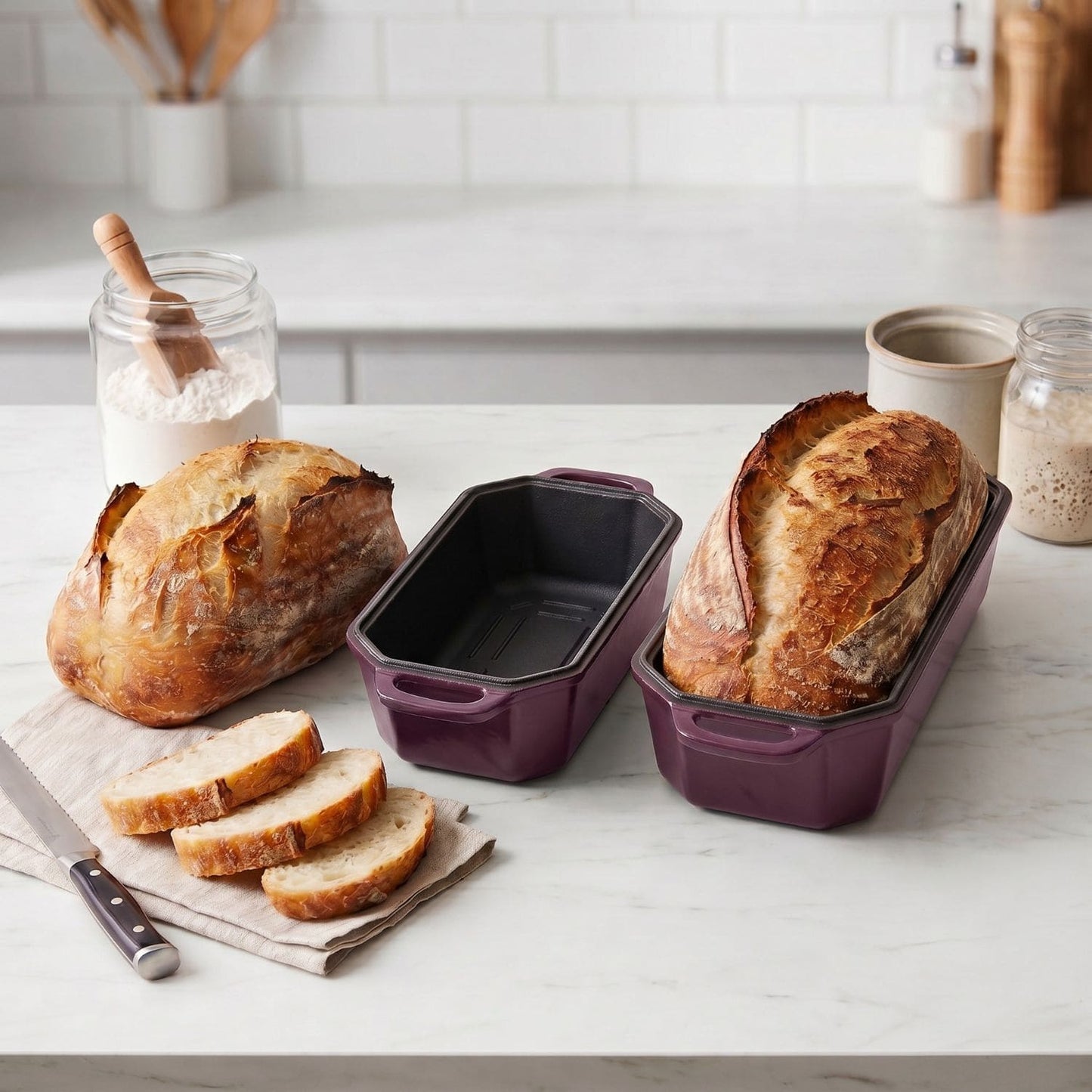
Why You'll Love It
-

Covered, With Room to Rise
-

Enameled for Easier Care
-

Even, Steady Heat


Cast iron loaf oven highly praised for baking sourdough and artisan bread. Customers said "bread comes out perfect every time" with "great crust and perfect texture." Features include heavy-duty construction, even cooking, and easy cleanup. Some noted handles are low and awkward with oven mitts. A few mentioned raw cast iron interior limits versatility beyond bread.
- My sourdough breads come out perfect every time! Excellent quality.
- Said it cooked evenly, has a good seal, a great seasoning and is beautiful.
- Excellent quality at a great price. Bread bakes with great crust and perfect texture.
I used the aluminized steel bread pan, but the enameled cast iron is so much better.
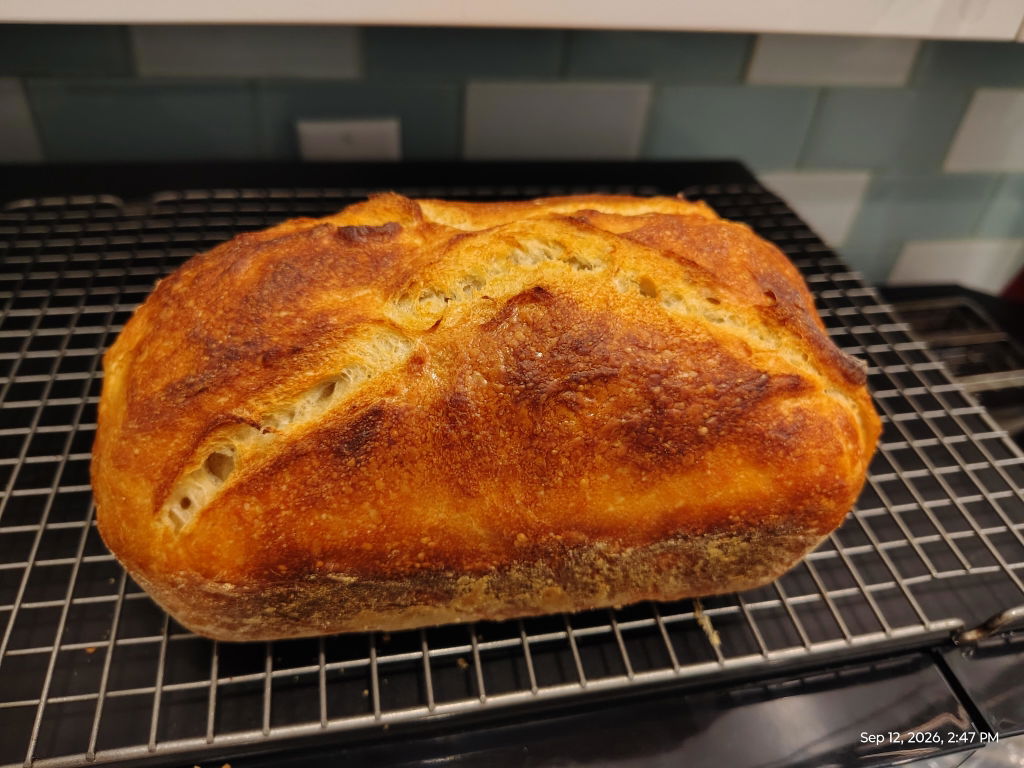
I love this little loaf pan!! I’ve made several loads of bread with it already, and every single one has turned out perfectly! They only downside is that the loaves are so small, and the bread is so delicious, that I’m making bread more frequently than I want to. I just purchased the larger version of this loaf pan.
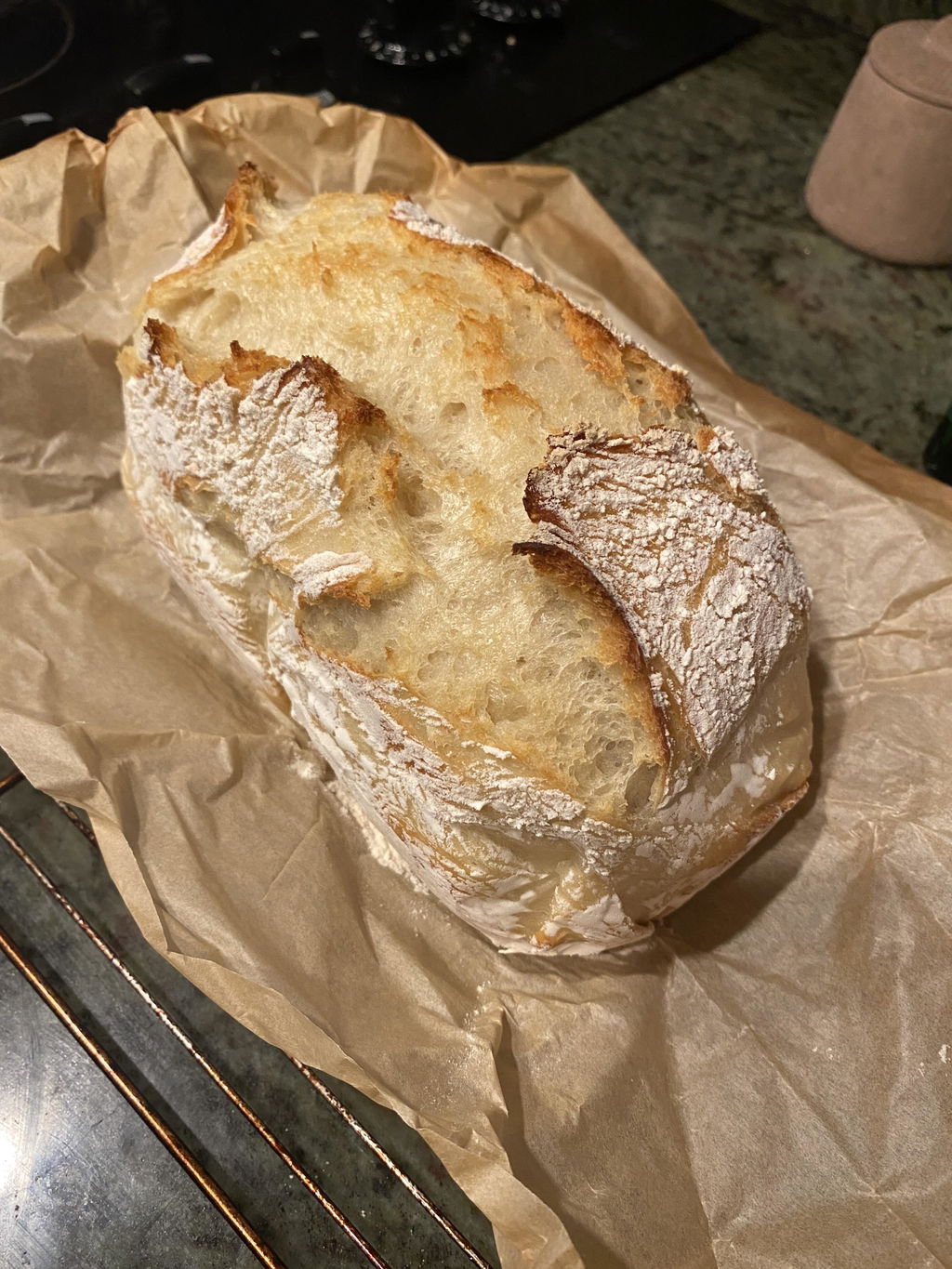
Love the format! It turns my sourdough bread into the best sandwich slices.
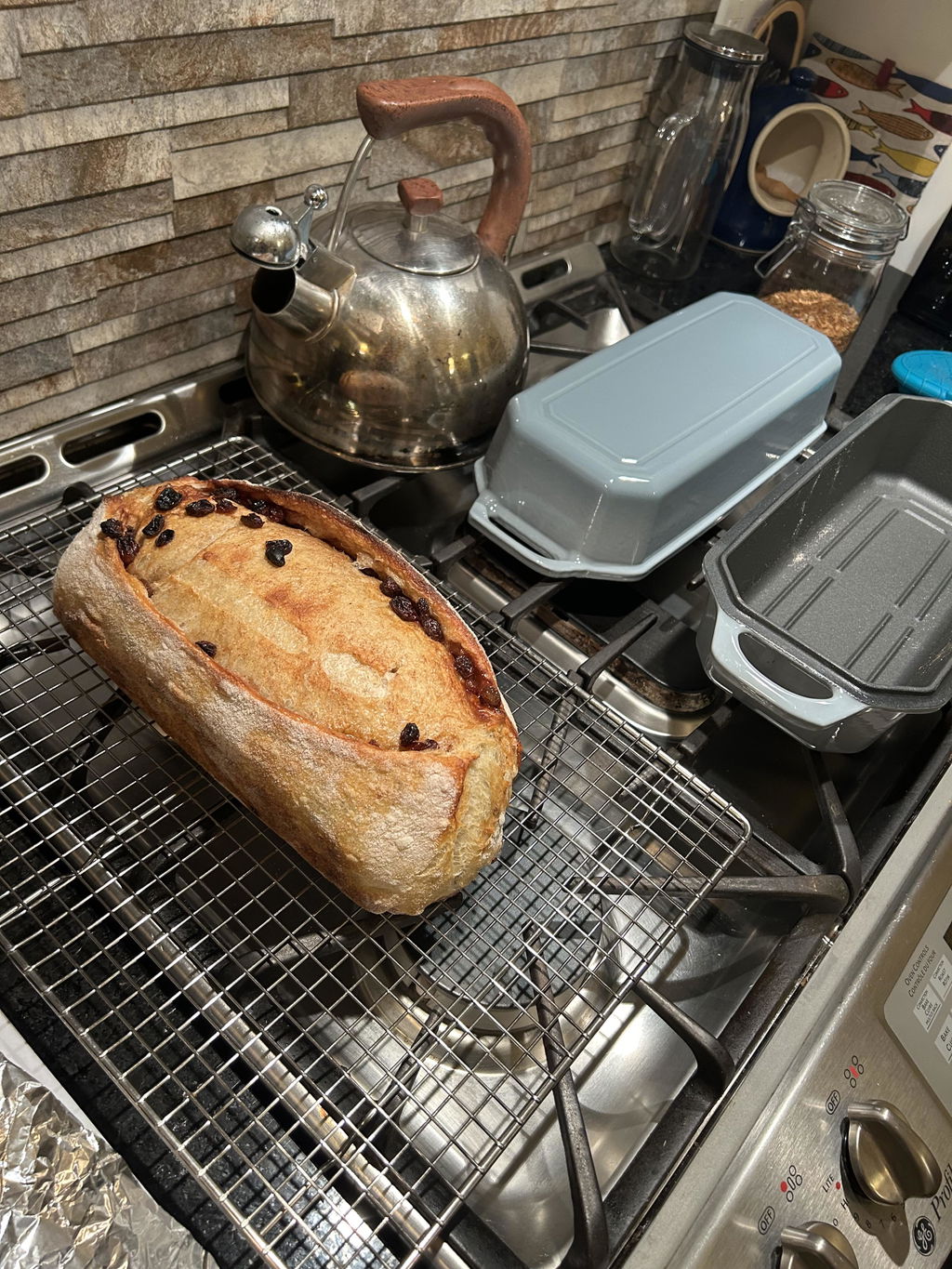
Great quality and a perfect size for a loaf of sourdough.
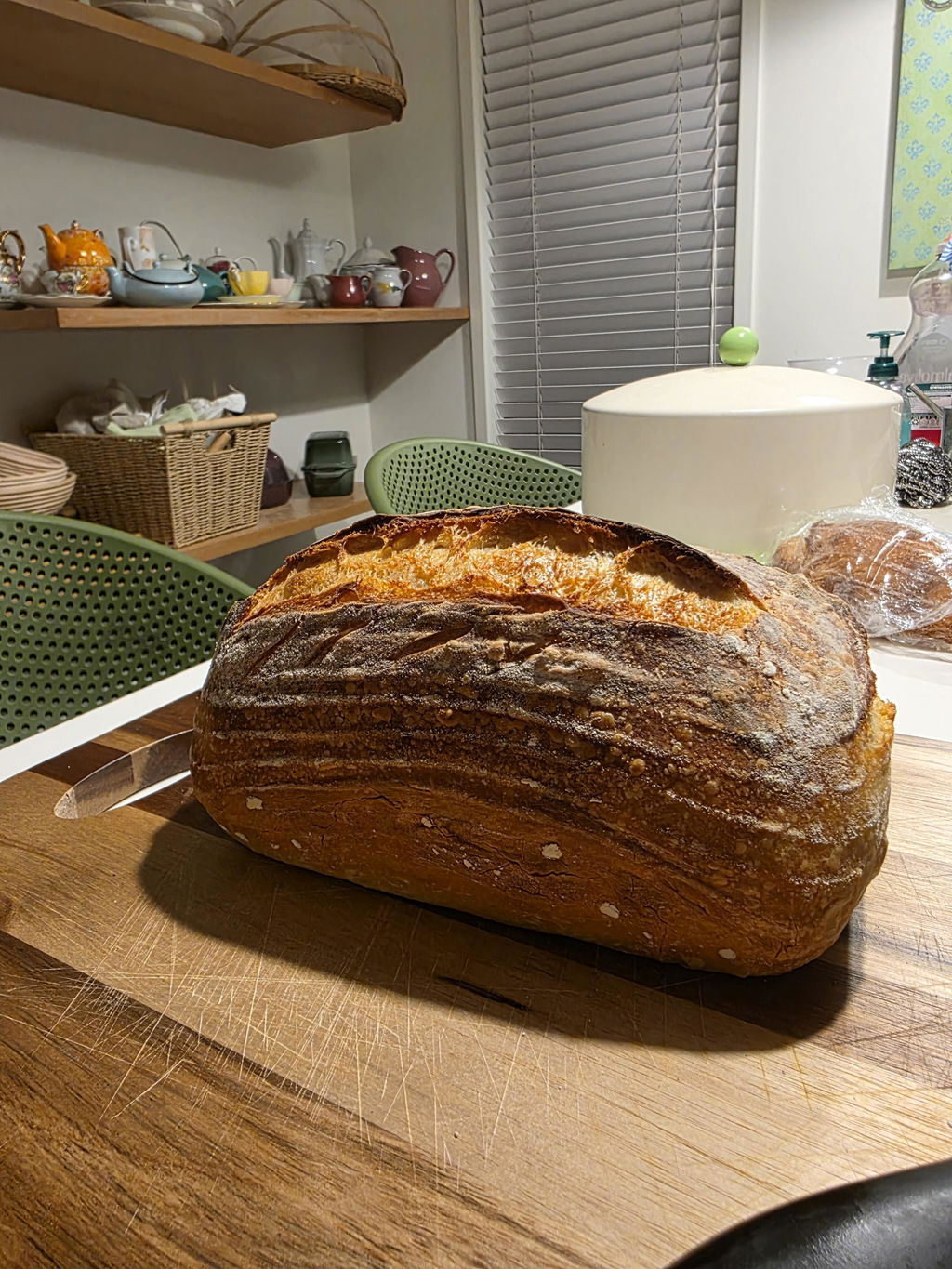
Simply great pan at a great price.
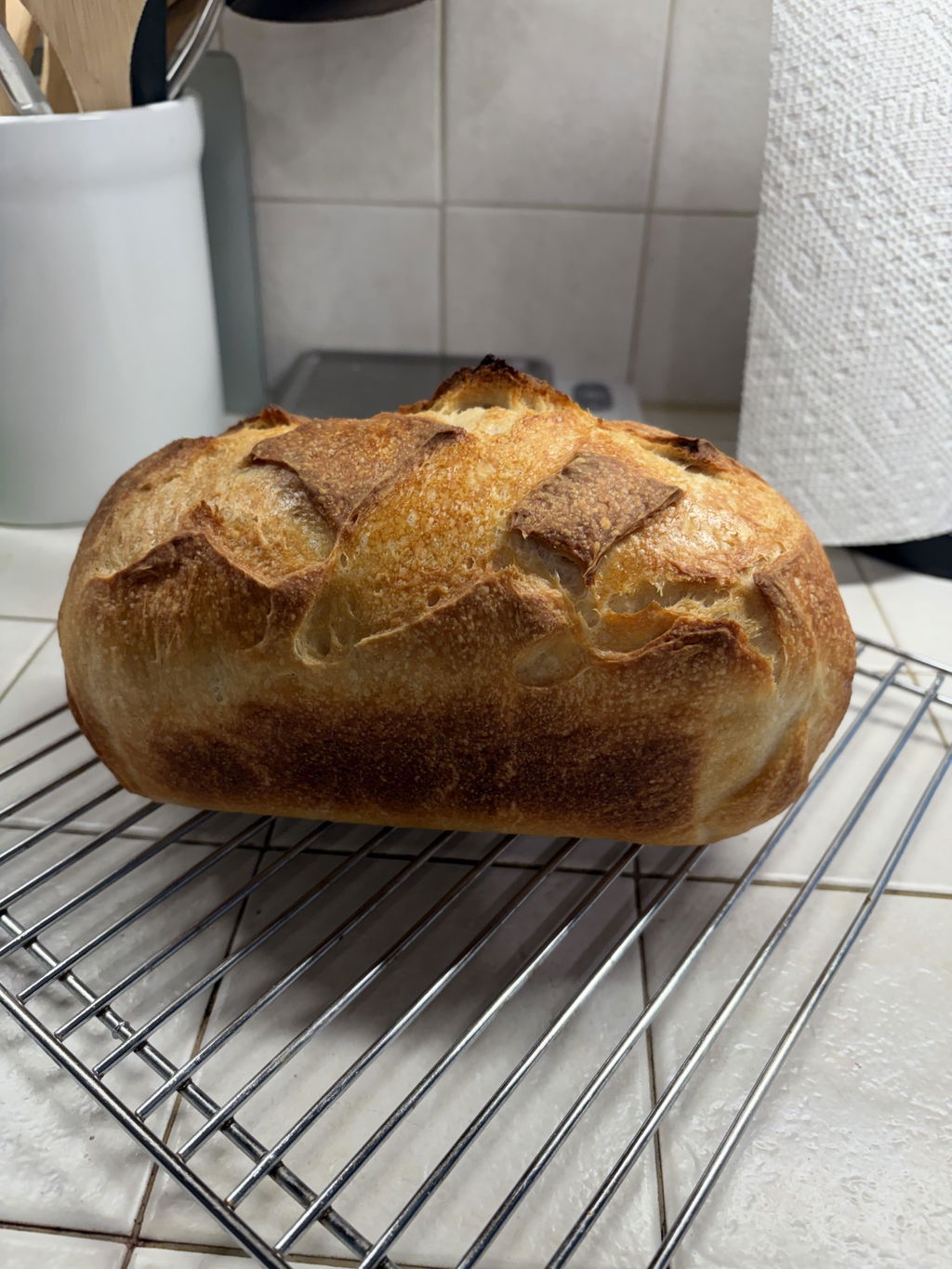
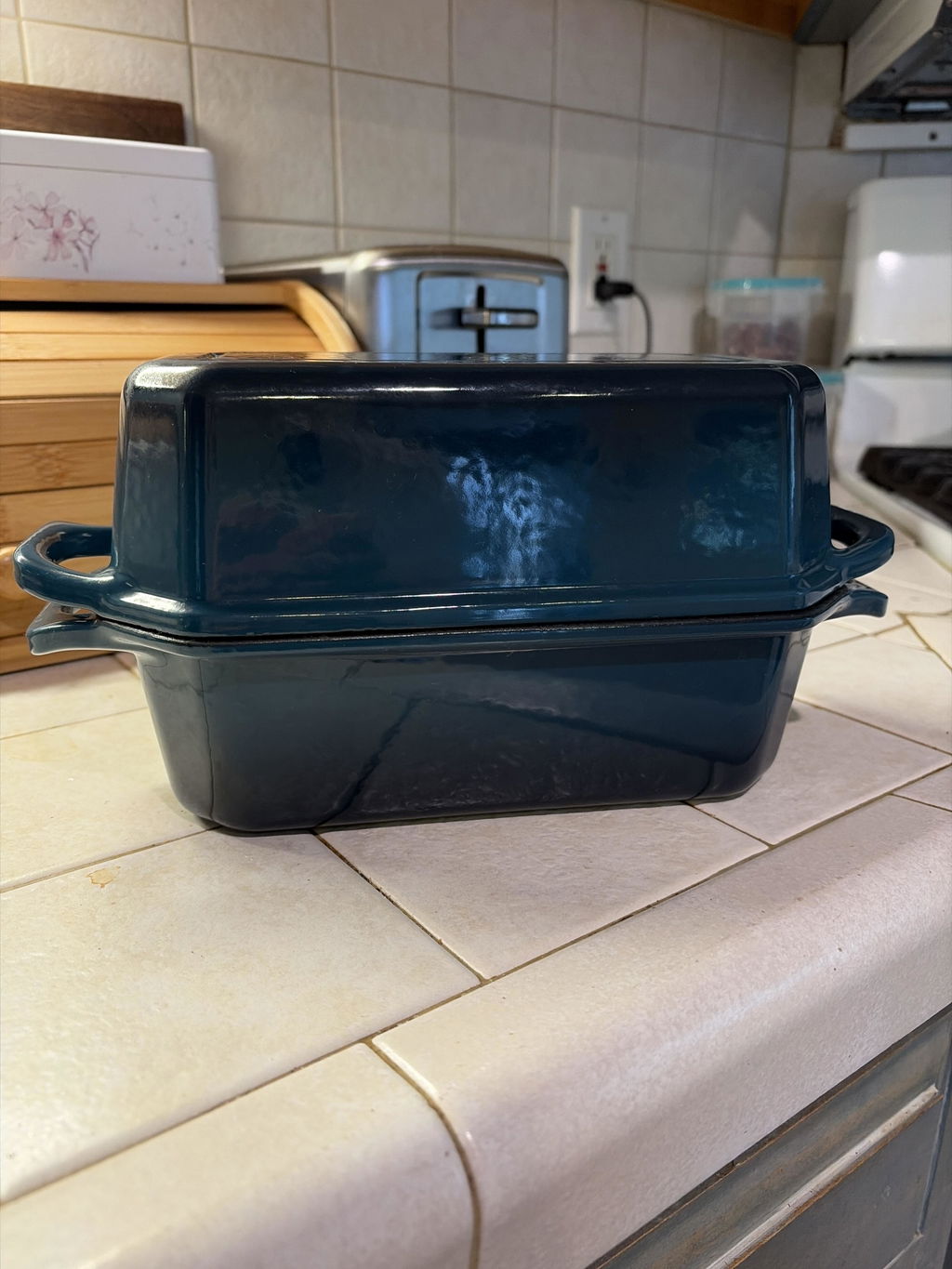
I baked my first sourdough batard in my new cast iron loaf pan and it turned out great! The crust was just right, spring rise good and came out of pan easily.
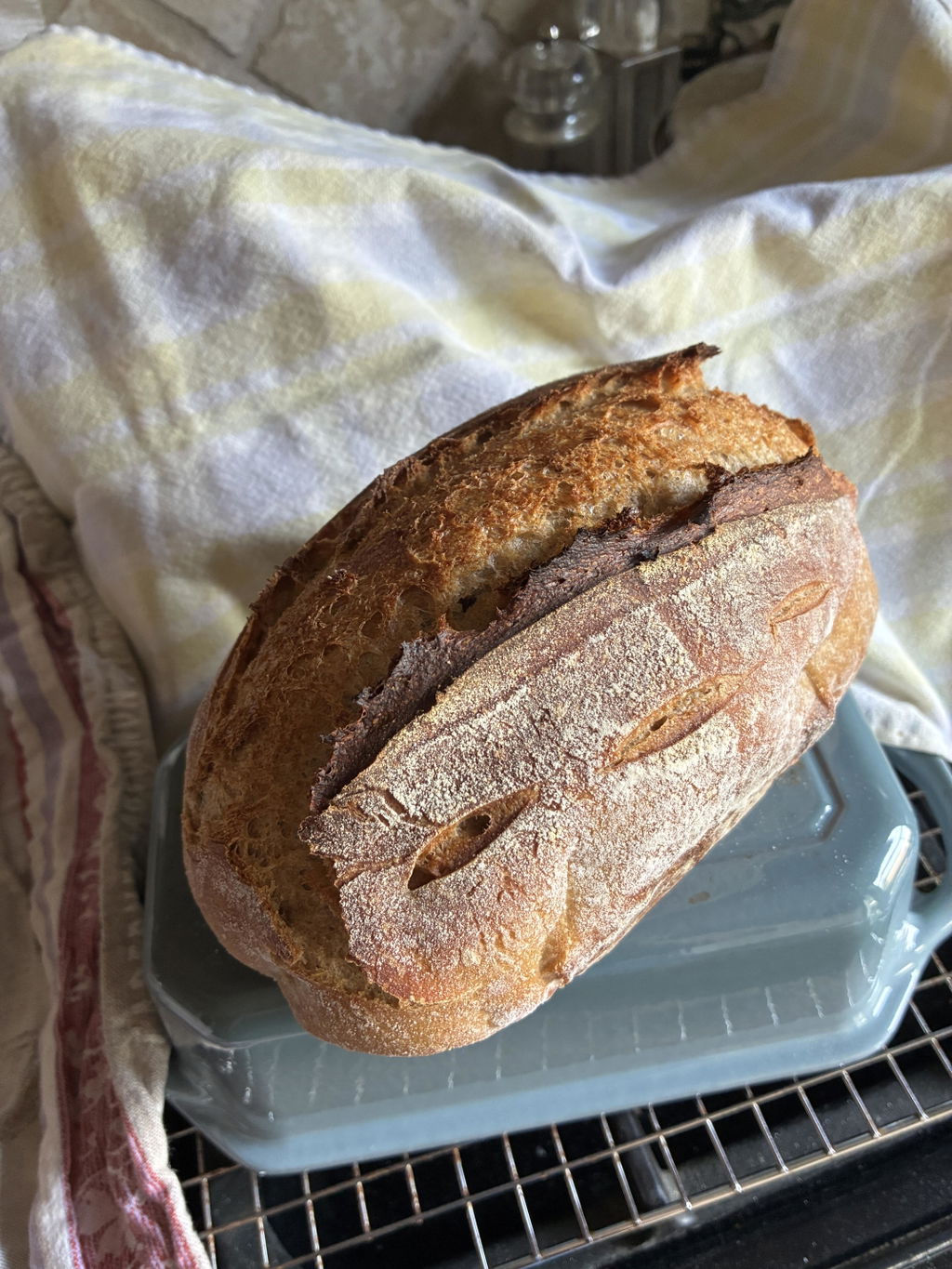
Could not be happier with this pan. Bought it for my wife and she immediately put it to work. Said it cooked evenly, has a good seal, a great seasoning and is beautiful.
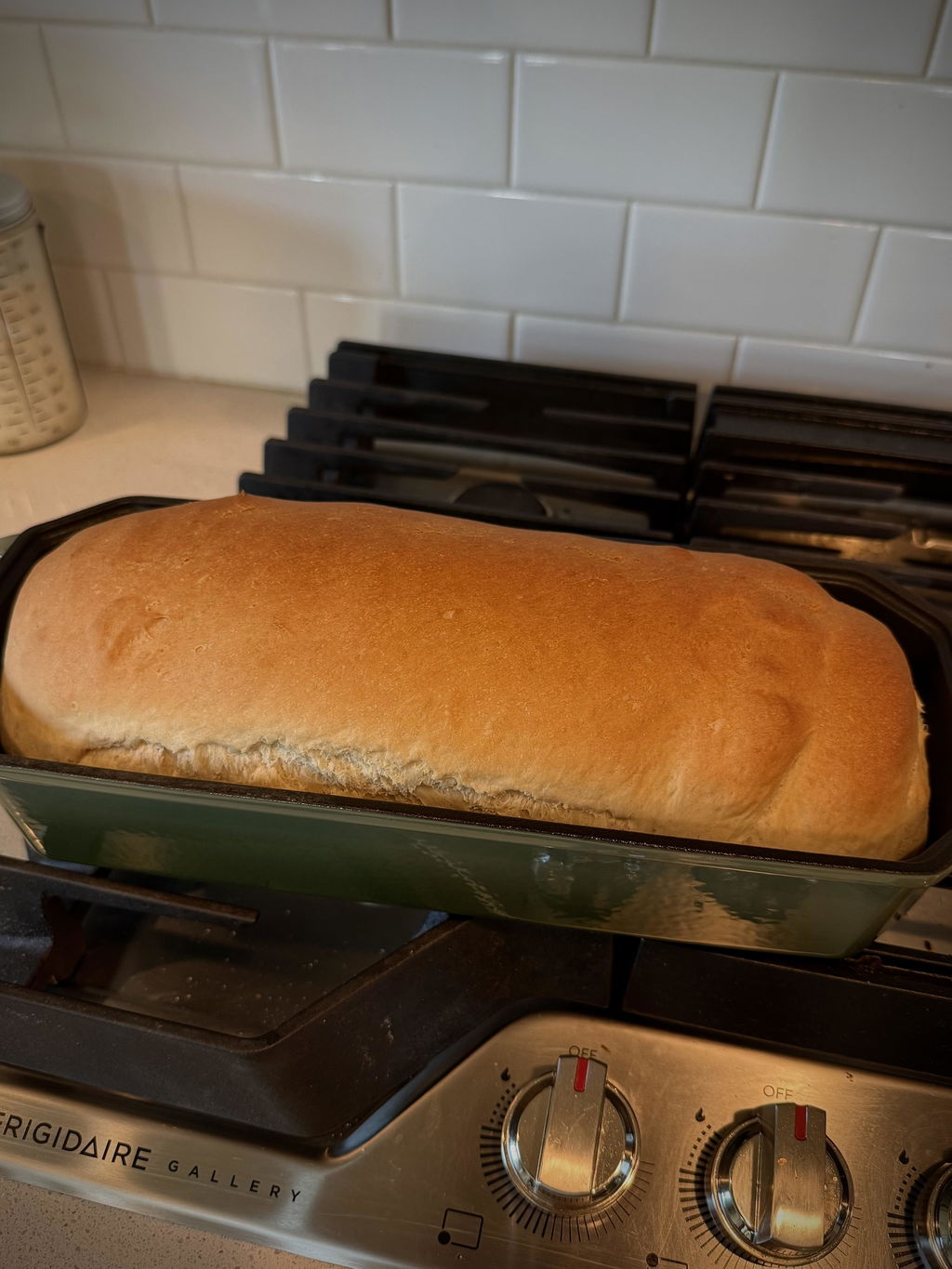
Fantastic tin bread came out beautifully
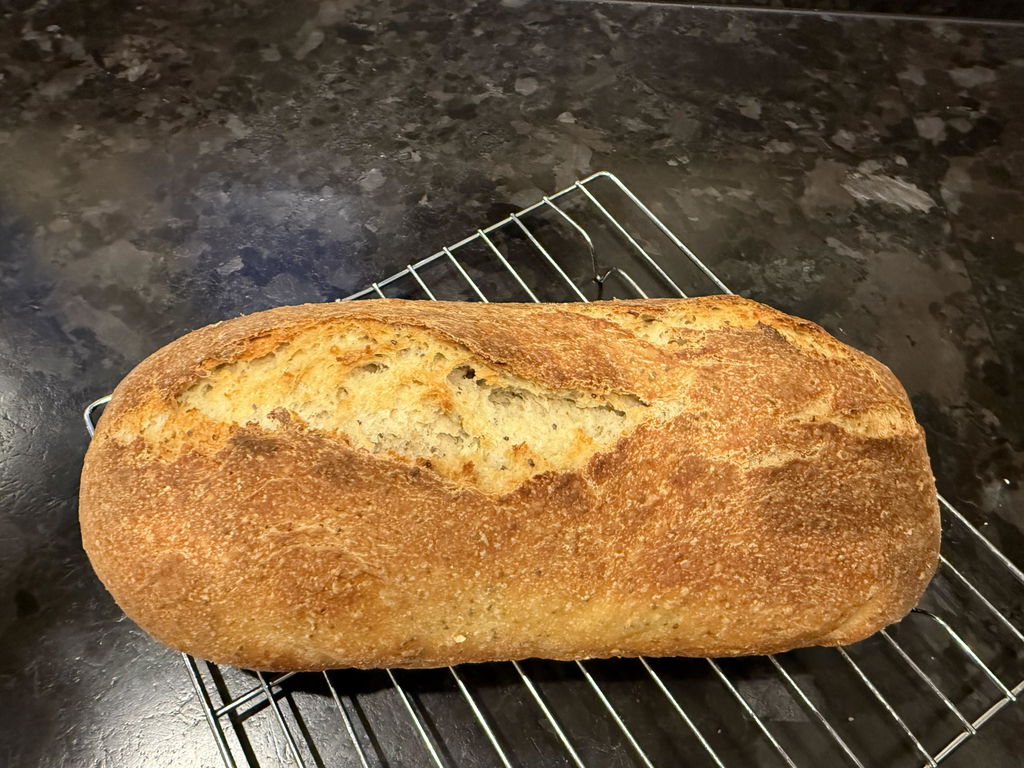
I love this pan! It is perfect for my sourdough whole wheat bread
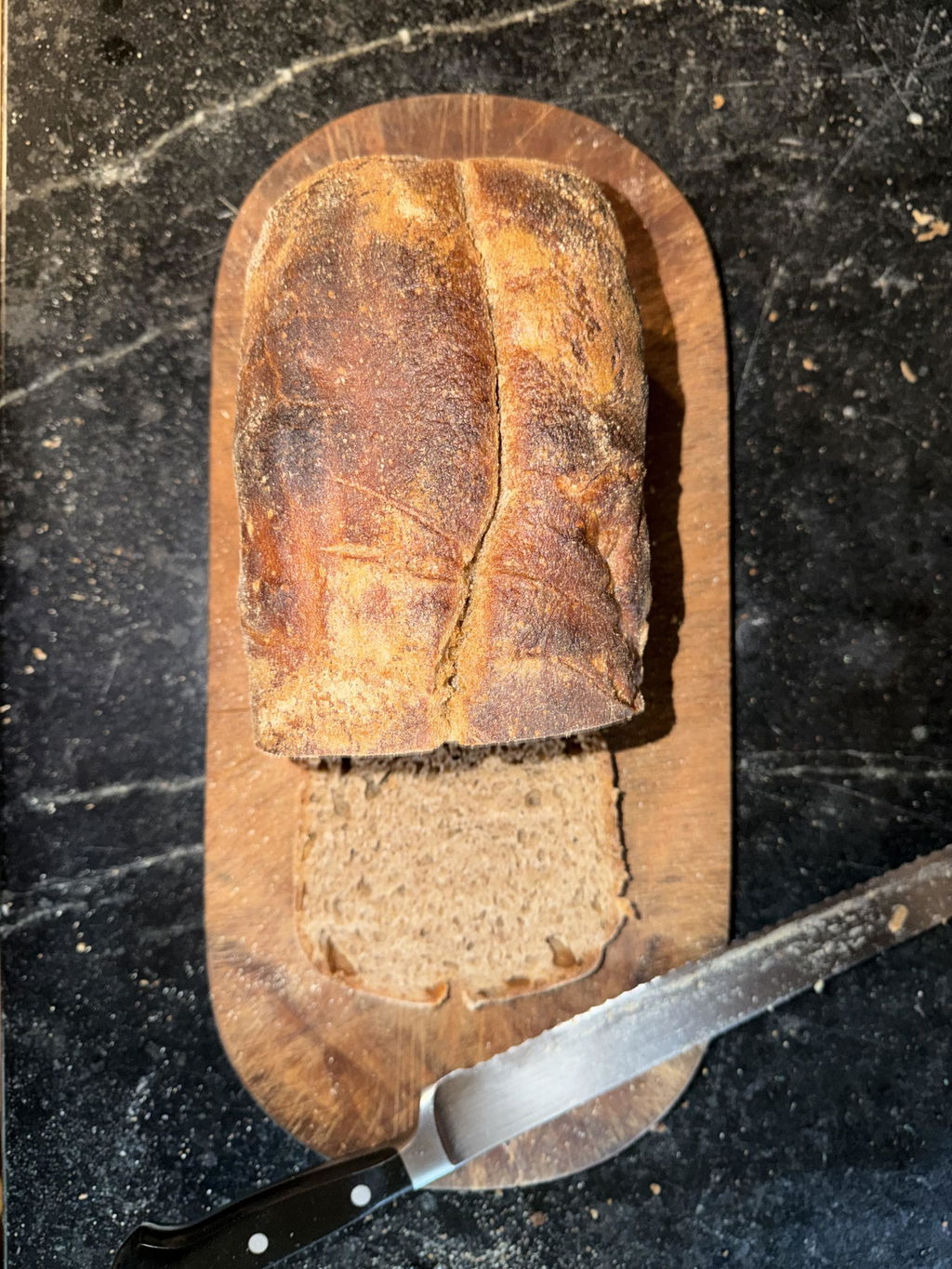
Love this one too.
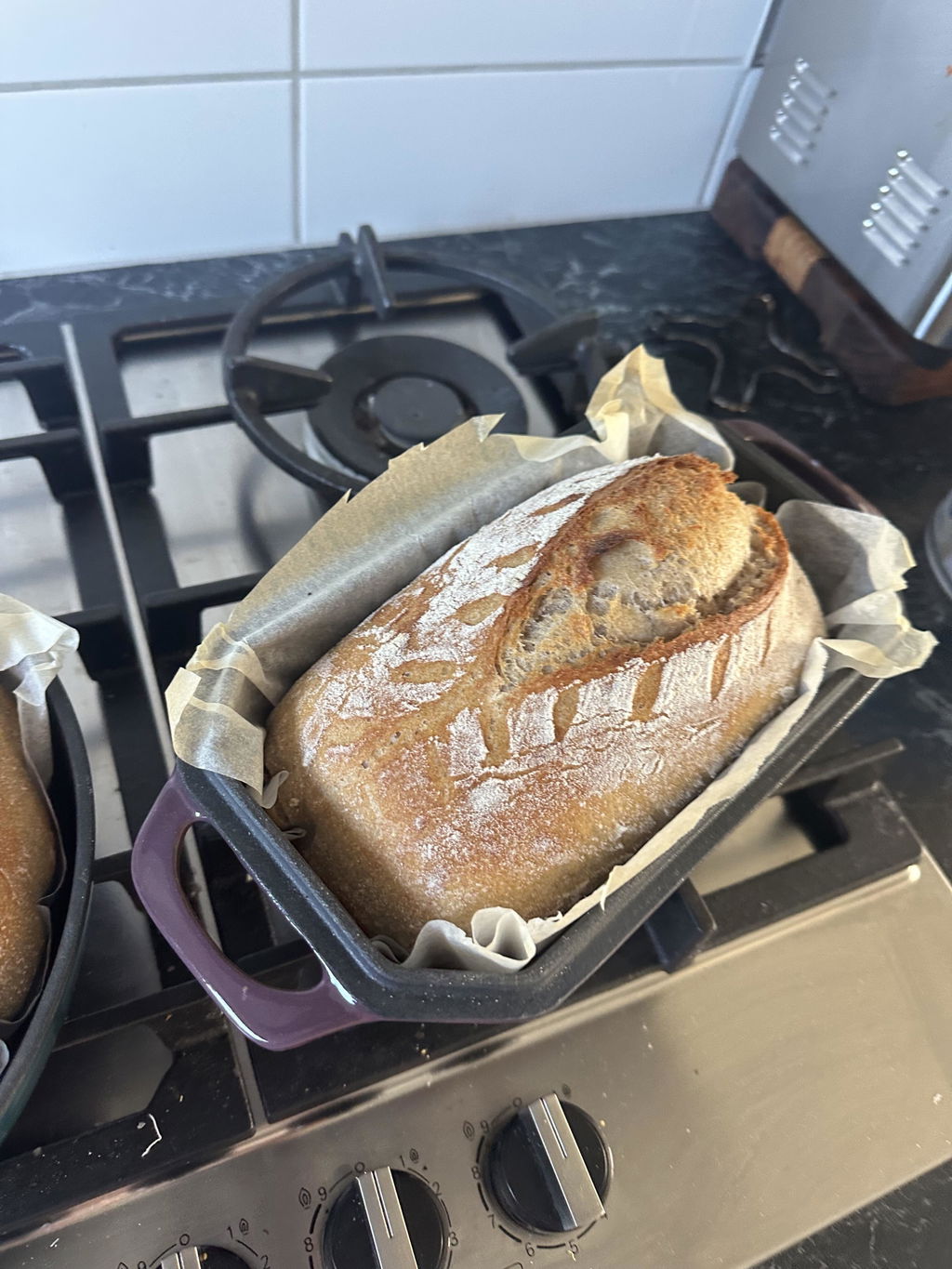
Great for sourdough sandwich loaf. Very sturdy and love the teal color.
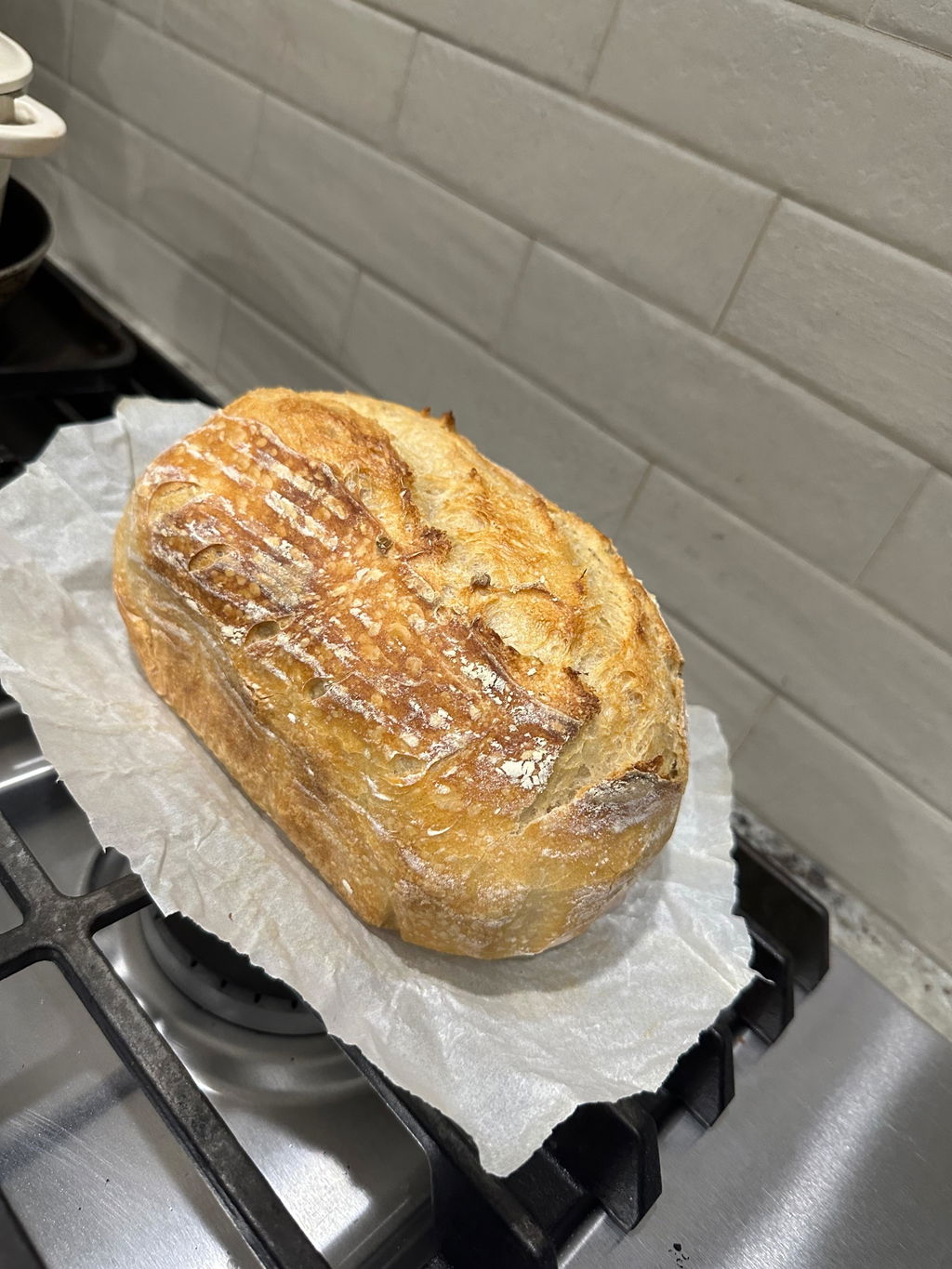
I bought this pan to make smaller more bread slice friendly loaves. I’ve been happily surprised at how well it bakes. So far cutting my typical recipe in half makes one yummy loaf. Full recipe and I get two. This is great for sharing or letting the second loaf get a bit more fermentation time. I’m working with sourdough and plan on further experimenting.
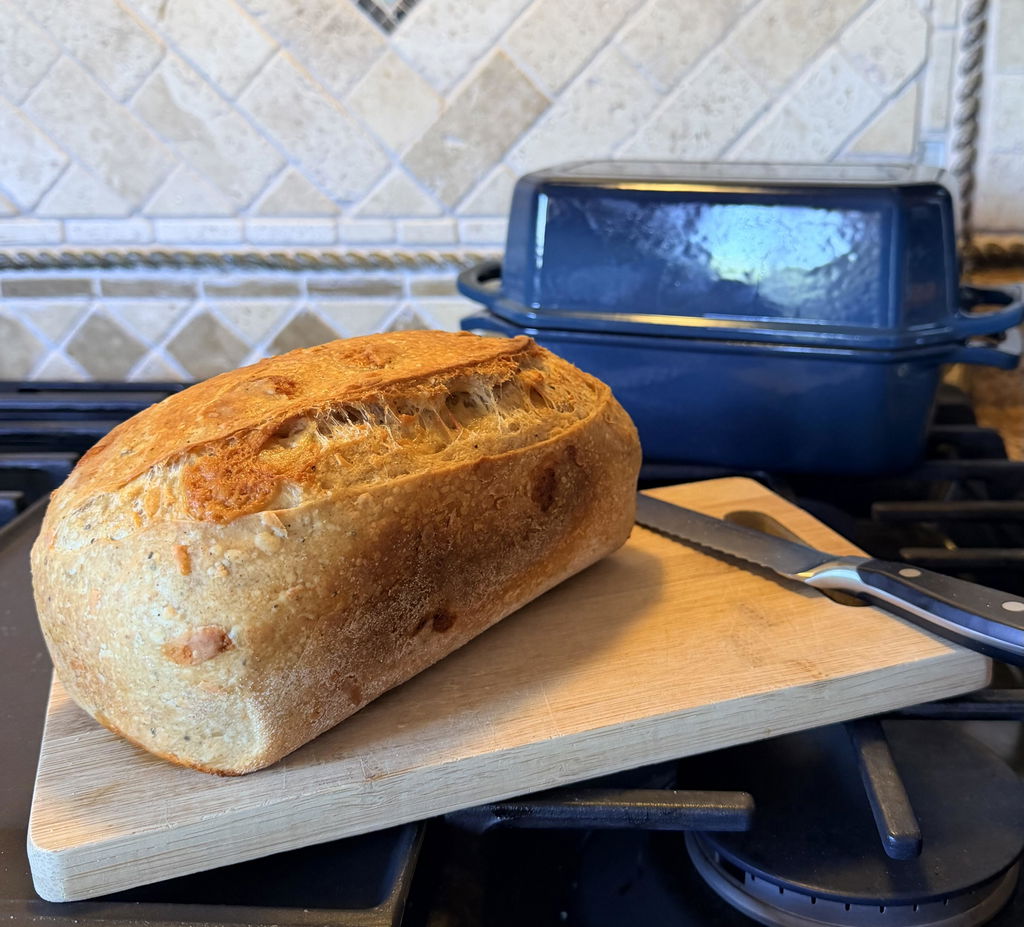
perfect loaf every time!
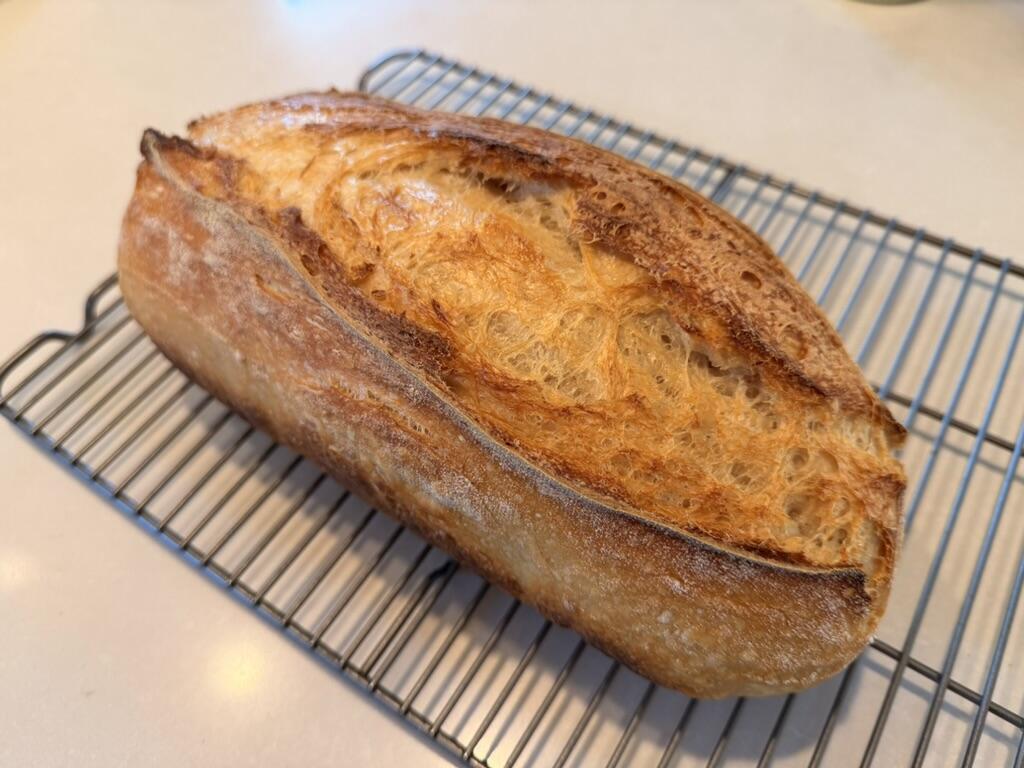
I love it so far!! I've been baking bread and it comes out with a soft middle and nice crust! It fits perfectly in the oven. I kind of wish I had bought two.
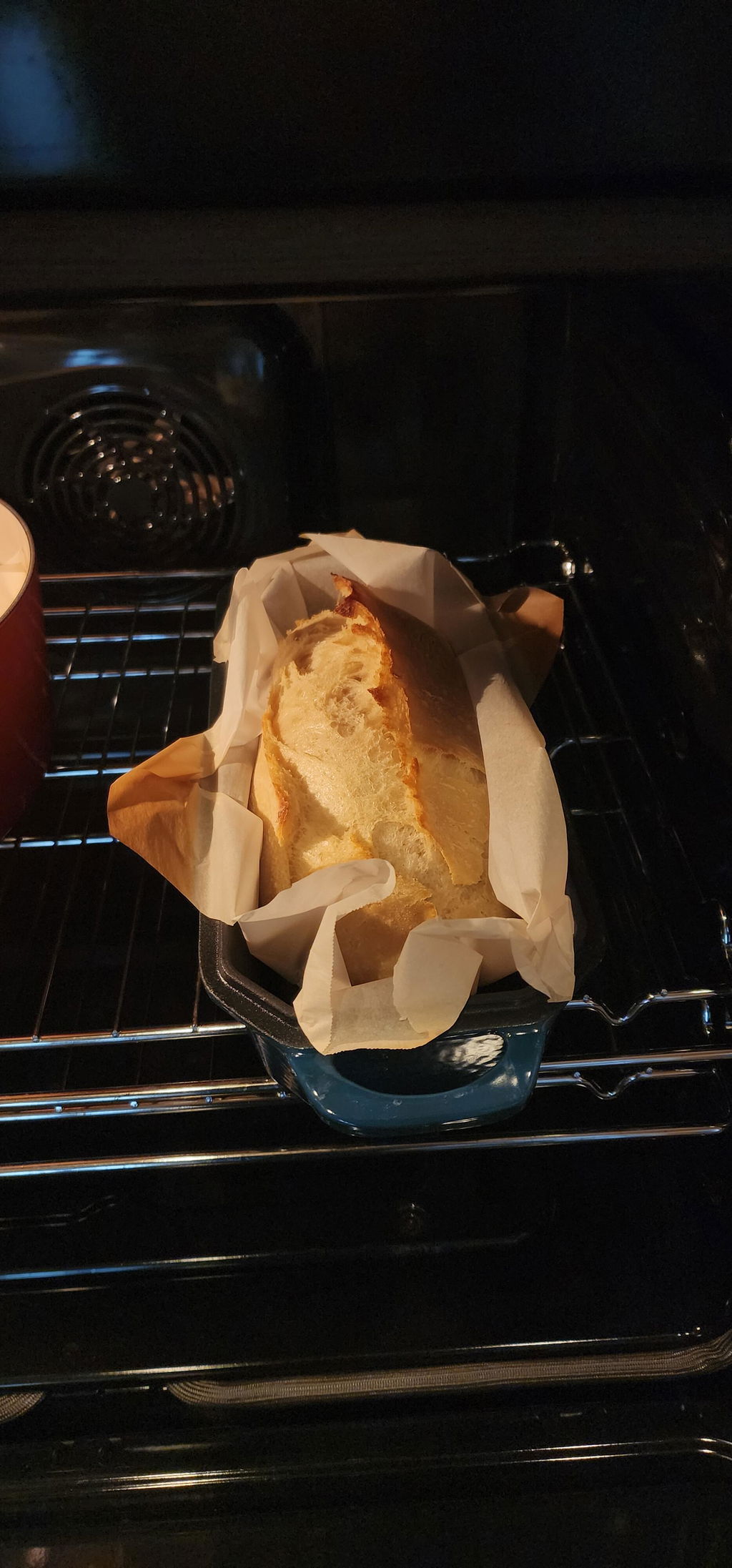
Have baked a number of bread loafs and had excellent results. This pan is an outstanding value!
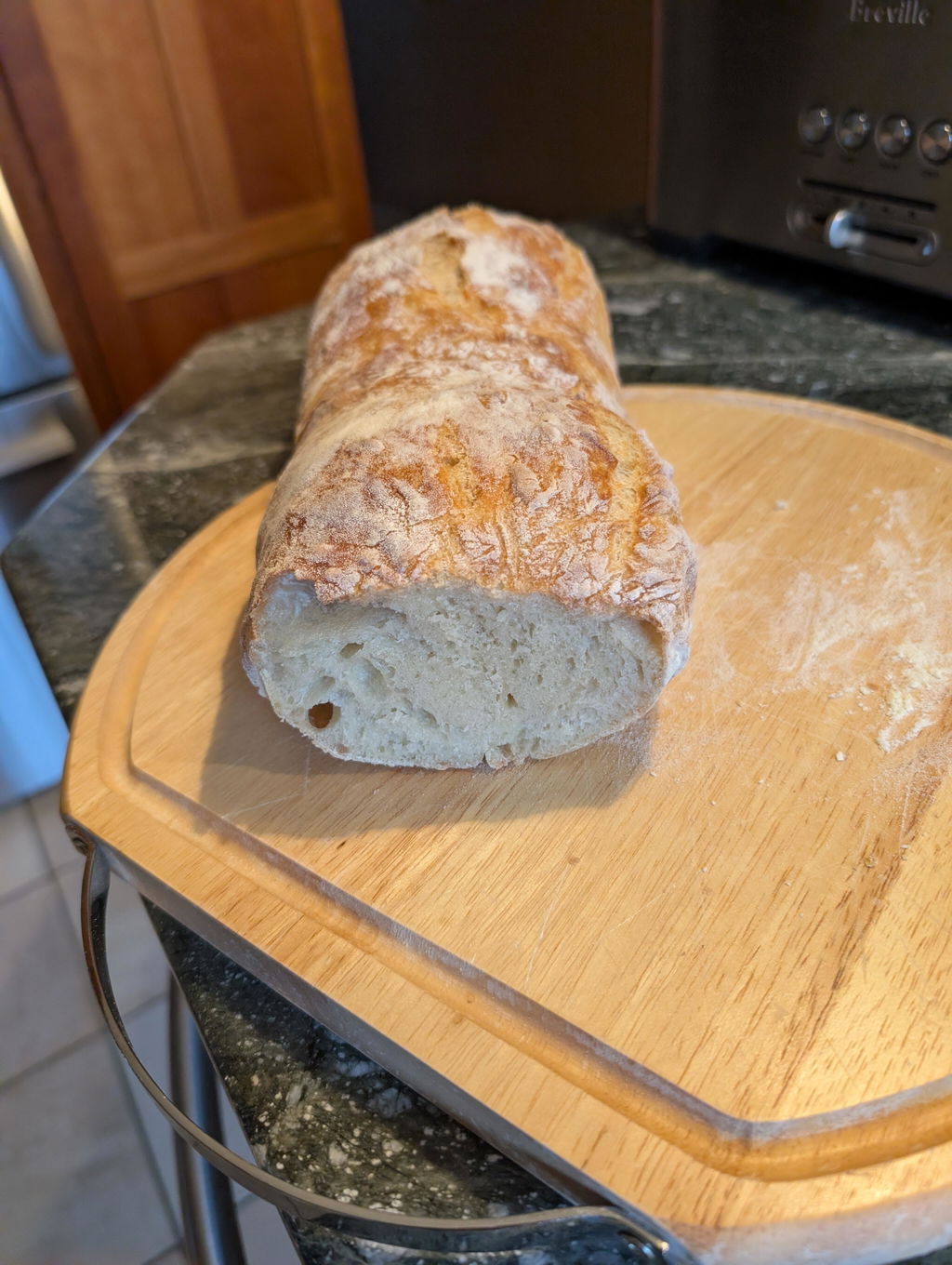
Perfect loaf pan.
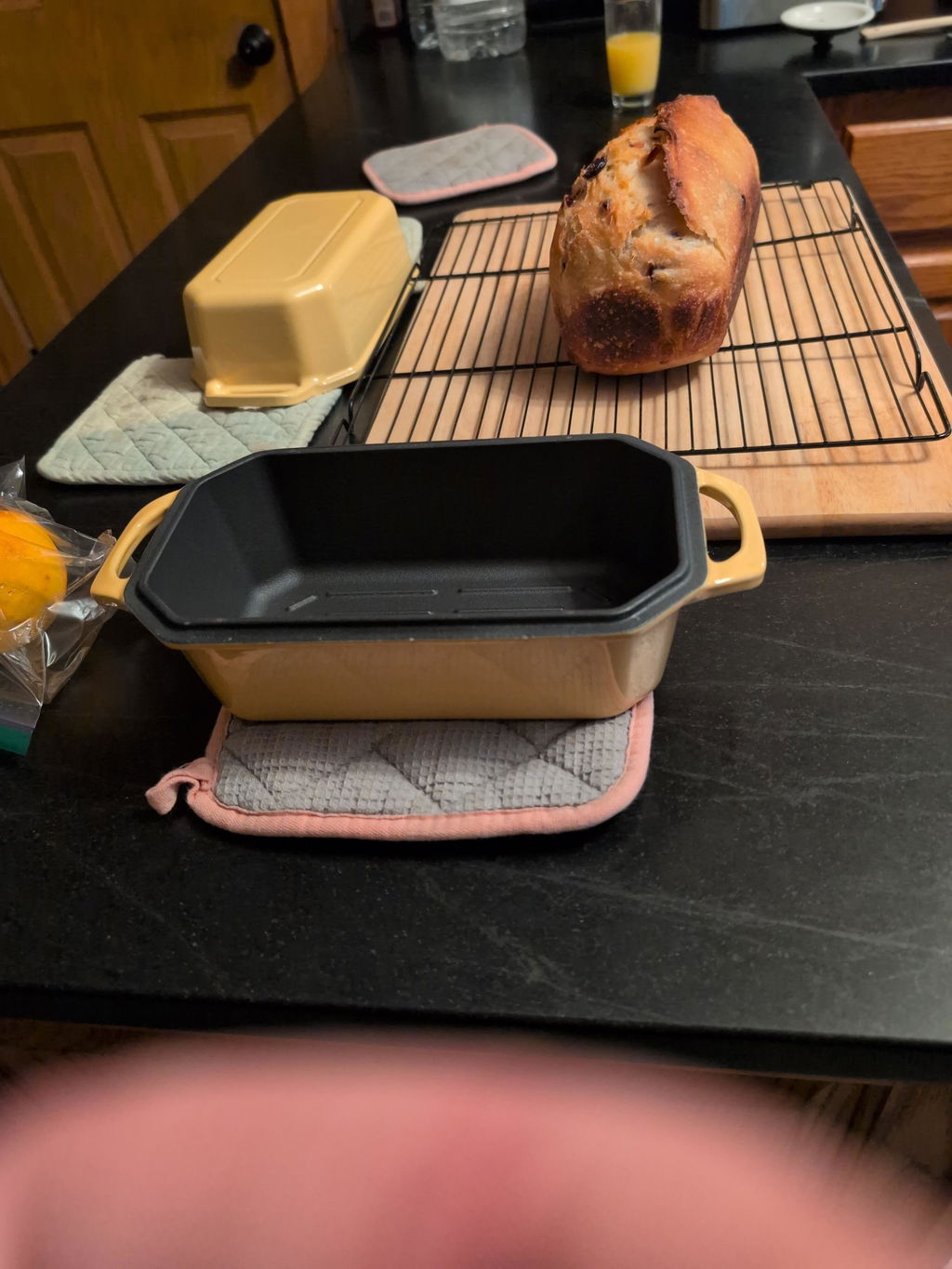
I need more stars to give an accurate rating of how much I love this pan!! It's perfect and I have had a lot of success in baking with it. Love it!!
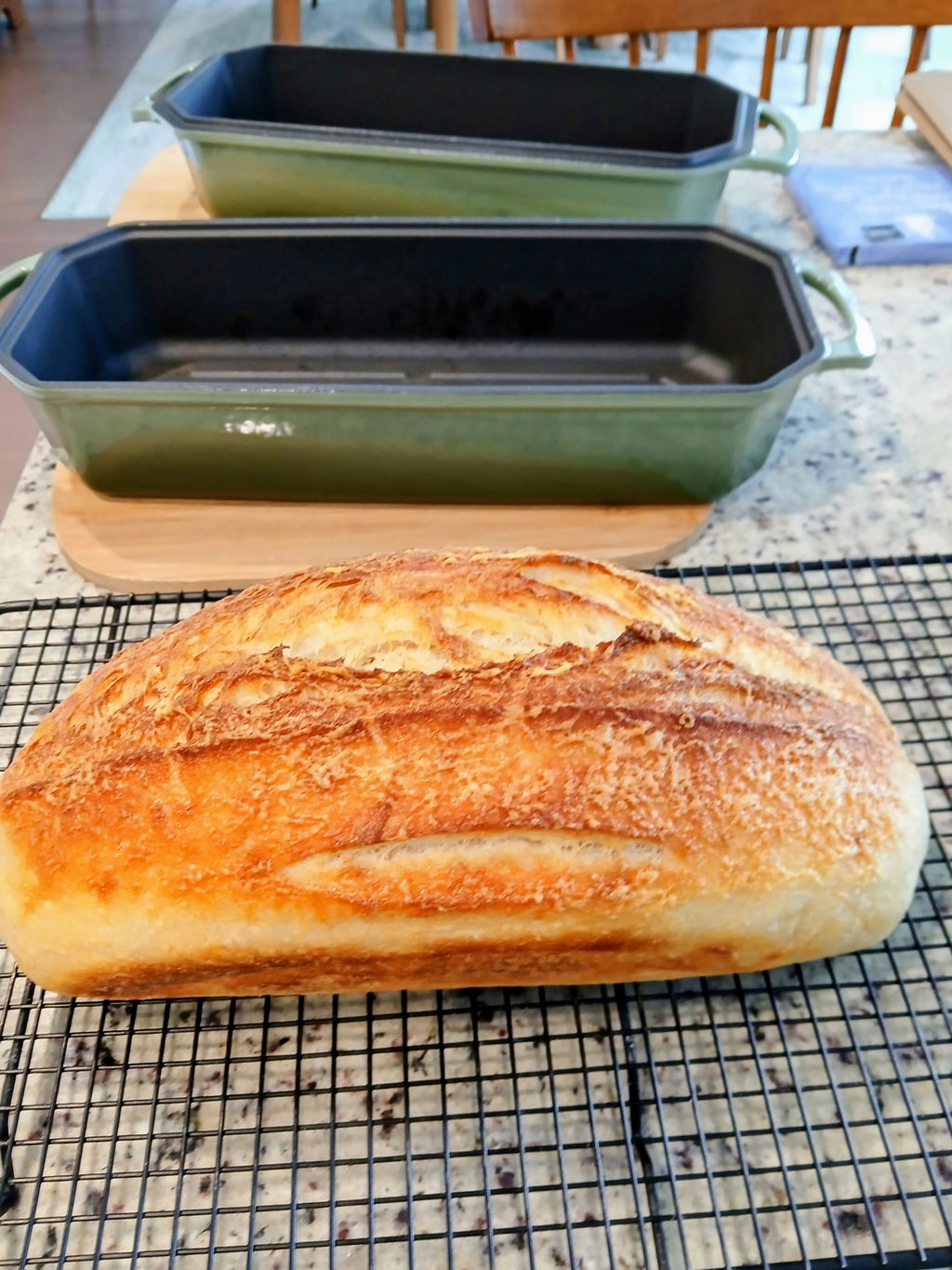
This pan is awesome!!!

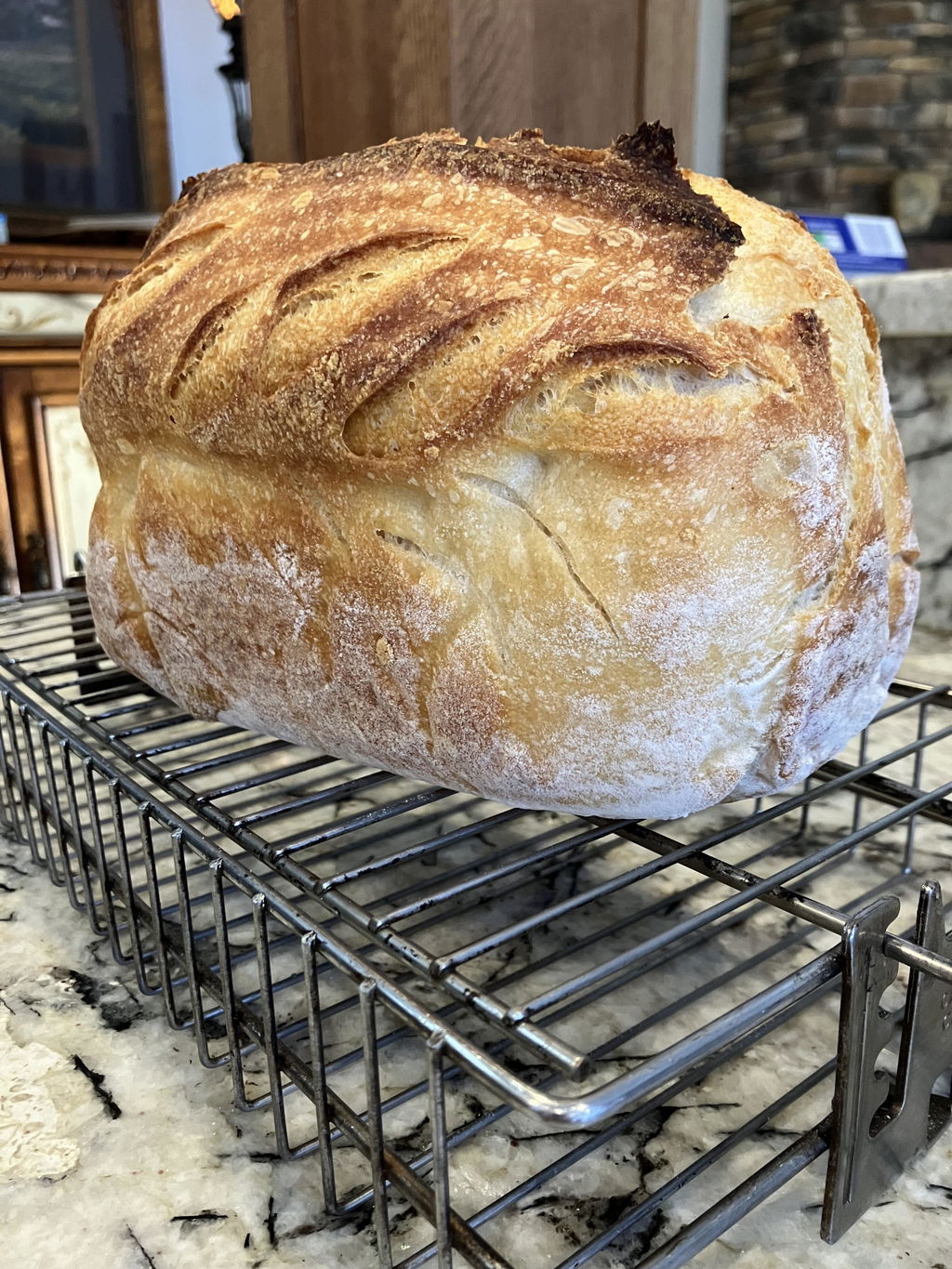
Love this loaf pan for my sourdough. It’s perfect!
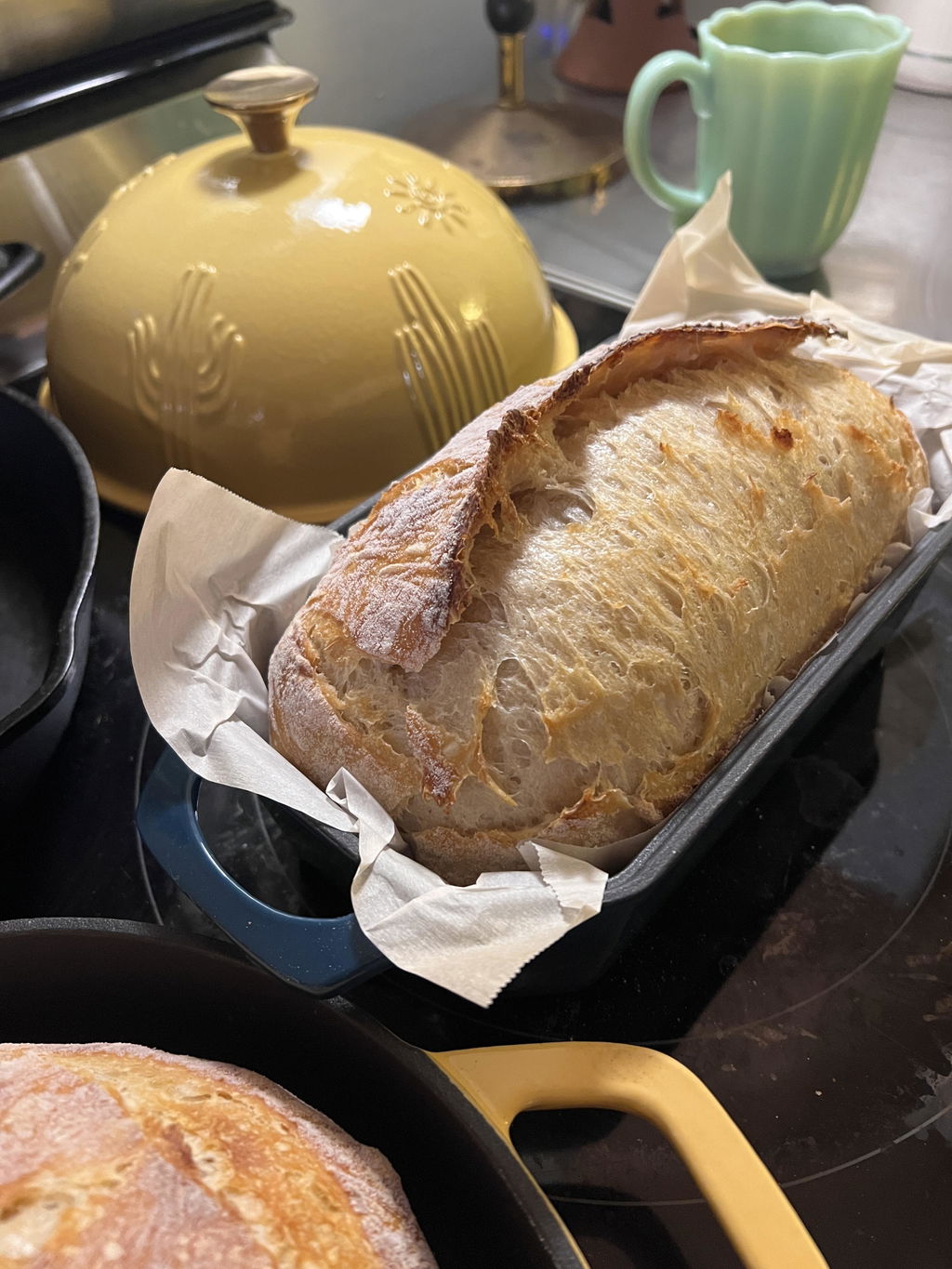
I'm enjoying making no-knead bread, but I wanted to make a loaf (rather than the boule) for sandwiches. The two-loaf pan combination makes a perfect environment for baking a perfect loaf.
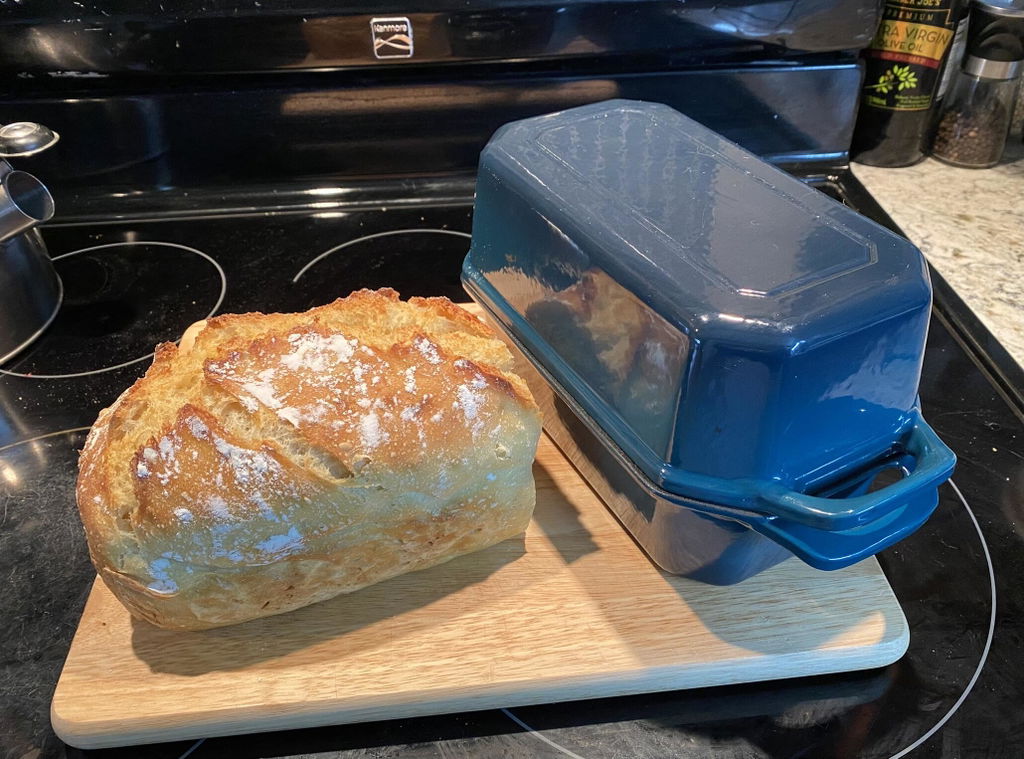
Sourdough baker
So far it’s been working great and I love it. I’ve been experimenting with sourdough regular and sandwich bread and how much dough to use to get the proper sized loaf
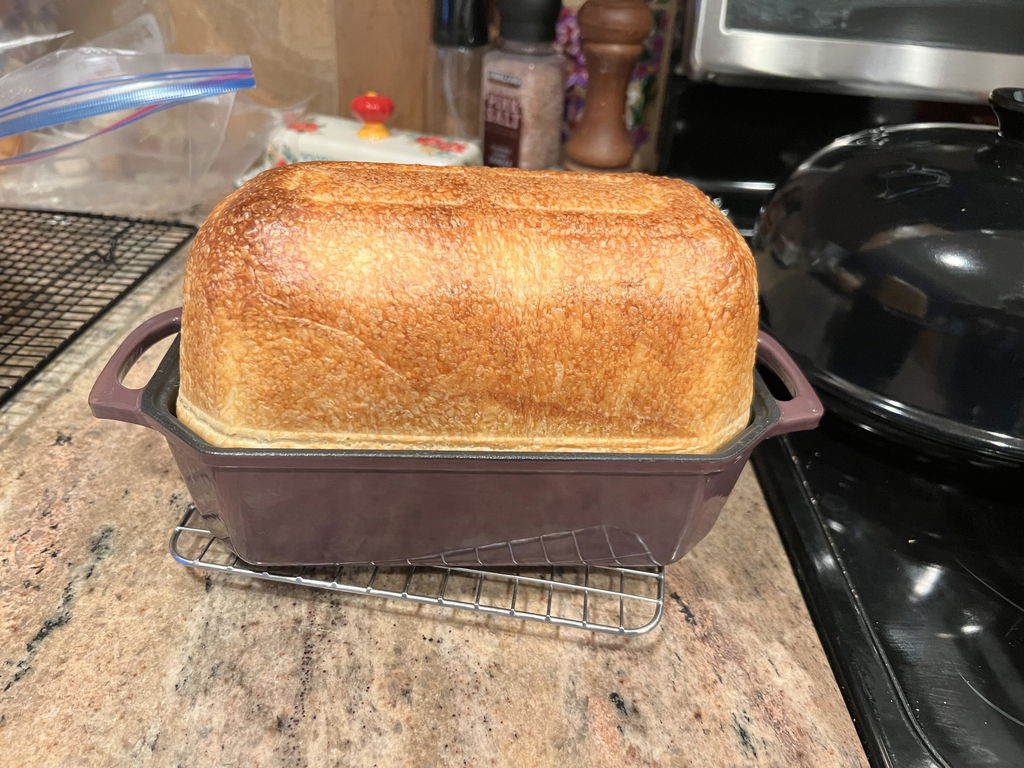
What is the weight of the 13 x 5 pan vs the 8 x 5?
The 8.5 x 4.5 in set weighs 8.1 lbs total, and the 13 x 5 in set weighs 15.8 lbs total.
Hello, I'm interested in the loaf pans. Does it come with 2 like in the photos?
Yes, it comes with two pieces as shown. They fit together as the pan and lid, and can also be used separately.
How high are the sides of the pans
Both pans are 2.75" (7 cm) deep.