Skip to product information
1 of 32

The Artisan Loaf Oven

The Artisan Loaf Oven

Enameled Cast Iron • A Sealed Loaf Oven for Better Rise & Crust

Regular price $50.15
Regular price $59 Sale price $50.15
Sale Sold out
Size
Color

Deliver to 07008

  • Fast & Free Shipping
  • 30-Day Return
  • 12-Month Warranty

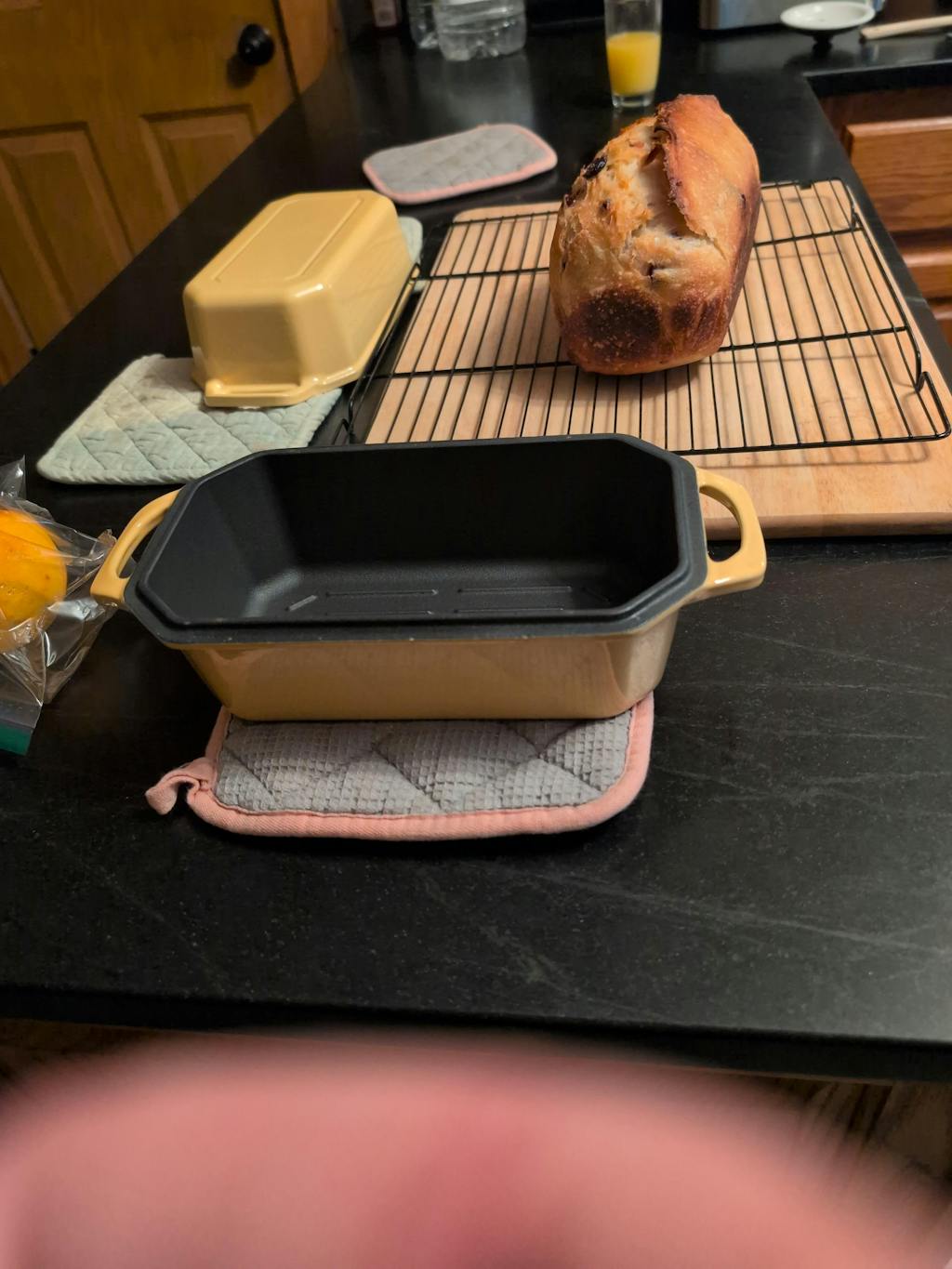
A two-piece enameled cast iron loaf oven designed to trap steam for better rise and crust. Use it as a sealed bread oven, or separate the lid and base for everyday cooking.

  • Steam-Lock Lid: The heavy lid seals in steam, creating the humid environment needed for strong oven spring and blistered crust.
  • 2-in-1 Design: Use it sealed for artisan bread, or flip and separate both halves to cook two open dishes at once.
  • Enameled, Not Bare Iron: The ultra-durable matte black interior withstands intense heat and requires no seasoning.

Dimensions

9 x 5 in Loaf Pan (Standard)

  • Interior Dimensions: 8.5 in x 4.5 in
  • Overall pan: 11.28 in L x 5.46 in W x 2.76 in H
  • Total Capacity: 1.6 qt Base / ~3.0 qt Total (with lid)
  • Dough Capacity: 750g – 900g (Total dough weight)
  • Product Weight: 8.1 lbs (Includes Lid)
  • Best For: Artisan sourdough with crispy crusts, everyday sandwich loaves, and moist banana bread.

13 x 5 in Loaf Pan (XL / Long Loaf)

  • Interior Dimensions: 13in x 5 in
  • Overall pan: 15.98 in L x 6.10 in W x 2.76 in H
  • Total Capacity: 3.1 qt Base / 5.4 qt Total (with lid)
  • Dough Capacity: 1,100g – 1,600g (Total dough weight)
  • Product Weight: 15.8 lbs (Includes Lid)
  • Best For: High-volume family baking, long sourdough batards, and double-batch recipes


Non-Toxic & Safe

No coatings to worry about.

Some cookware relies on applied non-stick layers that can wear down over time. Ours does not.

For our enamel pieces, the surface is glass fused to cast iron at high temperatures, creating a smooth, non-reactive cooking surface.

For our pre-seasoned cast iron, the surface is simply oil baked into the iron—no artificial coating, just traditional seasoning that builds naturally with use.

Both options are made without:

  • PFAS, PFOA, or PTFE
  • Lead or Cadmium

Use & Care

Heat

  • Cast iron retains heat extremely well, so high heat is rarely necessary. Low to medium heat works best for most stovetop cooking.
  • For enameled pieces, this helps protect the smooth surface.
  • For pre-seasoned cast iron, it helps maintain the natural seasoning.

Utensils

  • For enamel interiors, we recommend wood, silicone, or heat-resistant tools to preserve the finish.
  • Pre-seasoned cast iron is more tolerant and can handle metal tools, though gentle use will always extend the life of your cookware.

Cleaning

  • Hand washing with warm soapy water is recommended.
  • Pre-seasoned cast iron should be dried thoroughly after washing and lightly oiled if needed.

Oven Use

Oven-safe up to 500°F (260°C), suitable for baking, roasting, and broiling.

Temperature Changes

Avoid extreme temperature shifts. Allow cookware to cool gradually before rinsing.

Delivery & Returns

Fast Delivery

  • Ships from the USA
  • Estimated delivery within 3 business days
  • Always free shipping

Easy Returns

  • 30-day return window from the date you receive your order
  • Return Shipping: To make returns easy, we provide a discounted prepaid shipping label. A flat $9.99 will be deducted from your refund to cover this cost.
  • Arrived Damaged: If your item arrives chipped or broken, do not return it. Just email us a photo, and we will replace it immediately—100% free of charge.

12-Month Warranty

If your cookware develops chipping, cracking, or flaking due to a manufacturing defect within 12 months, we’ve got your back with a seamless replacement or refund. Learn More.

How we keep our prices fair

Many cookware brands move through multiple layers of distribution before reaching the customer. Each step adds cost.

We operate differently. We work directly with experienced foundries and sell online, reducing unnecessary markups while maintaining strict quality standards.

The result: solid cast iron cookware — enameled or pre-seasoned — priced with transparency and intention.

View full details
  • Bakery Crust, At Home

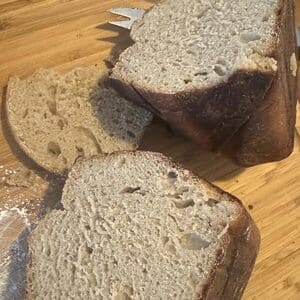
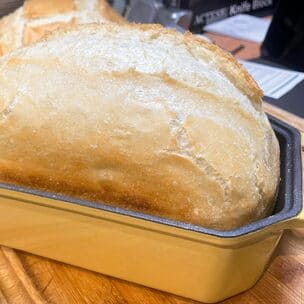
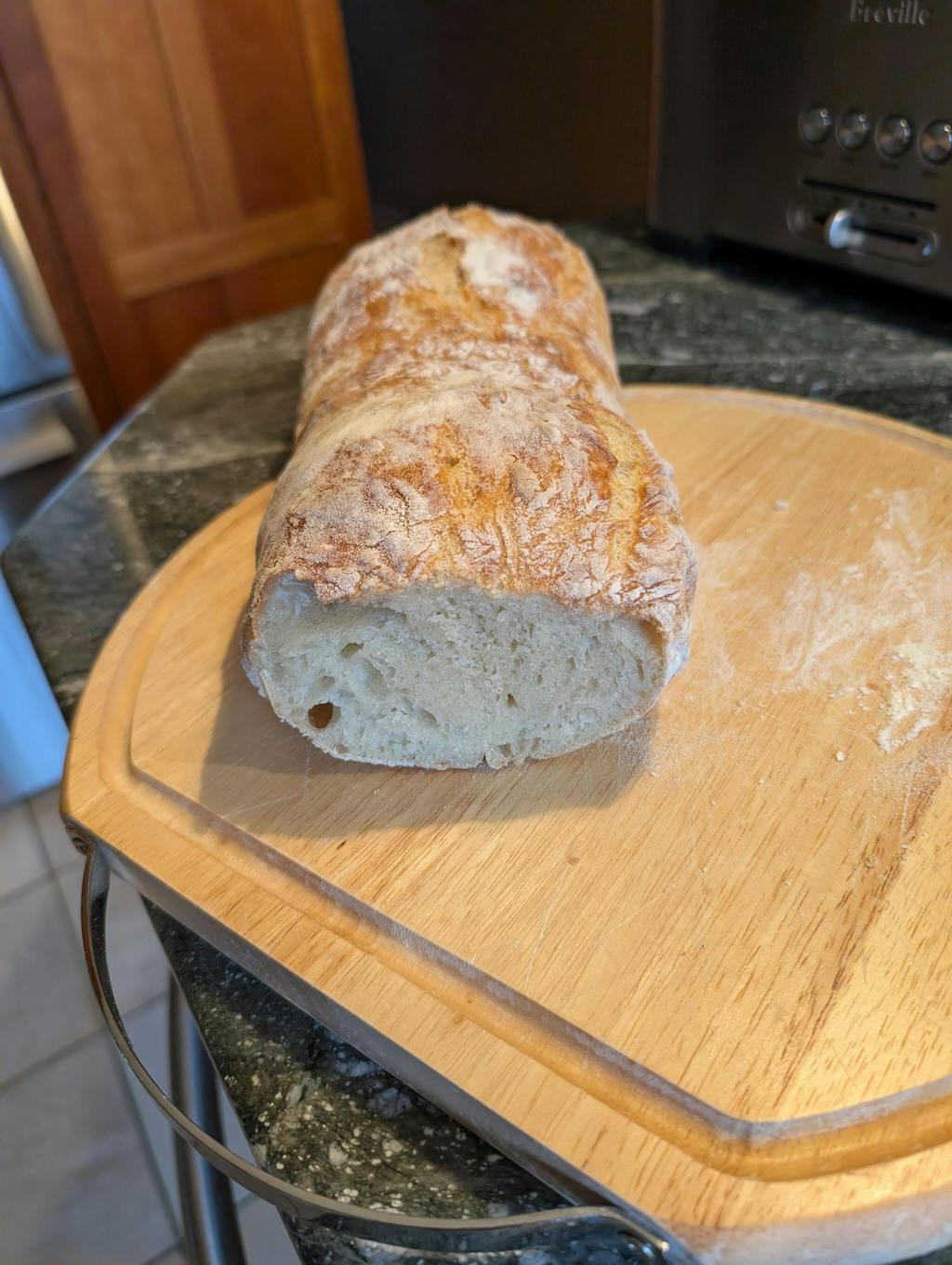
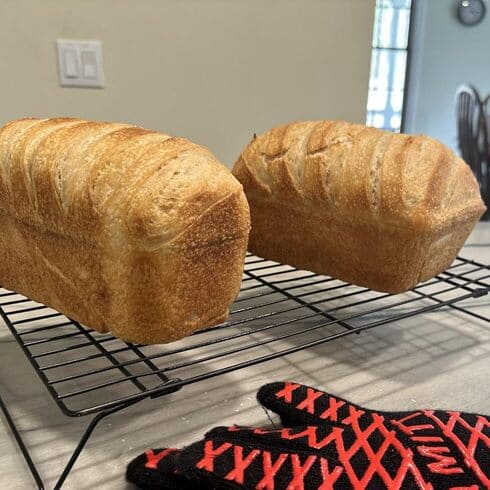
    The heavy lid traps steam to create that crackly, golden exterior you usually only get from a professional oven.

  • Chemical-Free Baking

    Our high-quality enamel is tested free from PFOA and lead, giving you a safe, non-toxic surface that lasts for generations.

  • Matte Black Enamel (No Seasoning)

    The rugged matte black interior handles extreme oven heat and steam with zero seasoning required. It naturally resists stains, rust, and chipping for a lifetime of perfect crusts.

How We Compare

Luxury performance without the luxury markup.

Cast Iron Warehouse

Premium Retail Brands

Non-Stick Pans

The Price Tag

$$ (Direct-to-Consumer)

$$$ (Retail Markups)

$$

Surface

Enameled or Pre-Seasoned Cast Iron

Enameled Cast Iron

Synthetic Non-Stick Coating

Materials

No PFAS, PFOA, PTFE, Lead or Cadmium

Typically enamel-based

PTFE-based coating

Heat Tolerance

Up to 500°F (oven safe)

Up to 500°F

Usually lower heat limits

Maintenance

Zero Seasoning Needed

Zero Seasoning Needed

Coating wears over time

Warranty

12-Month "Cook Happy" Guarantee

Varies by brand

Limited warranty

FAQs

  • Should I buy a 9x5 or 13x5 loaf pan?

    It depends on how you bake. A 9x5 pan is the standard, perfect for everyday baking and most recipes without adjustments. A 13x5 pan is ideal if you want larger loaves for family gatherings or bake sales—but keep in mind you’ll need to scale recipes up to maintain the proper loaf height and texture.

  • Can one loaf pan act as a lid to trap steam?

    Yes. Each pan works on its own as a regular loaf pan, and you can also use the second pan as a lid when you want to trap steam for extra oven spring and a thinner, shinier crust.

  • Do I need to season my loaf pan before using it?

    No. The interior is coated in matte black enamel, not raw iron, so it does not need to be seasoned to prevent rust. However, we recommend lightly greasing the pan or using parchment paper for your first few bakes. Over time, the enamel will develop a natural non-stick patina that improves release.

  • Can I put my enameled cookware in the dishwasher?

    While some enamel cookware is labeled dishwasher-safe, we recommend hand washing to protect the finish and keep your pan looking new for years.

  • Will my bread stick to the pan?

    Our loaf pan is free from synthetic non-stick coatings (like Teflon or PTFE), so a little preparation goes a long way. For the first few uses, we recommend greasing the pan generously with butter or oil, or using parchment paper. The good news is that the matte black enamel is designed to build a natural "patina" (a seasoning layer) over time. The more you bake, the naturally slicker the surface becomes!

  • Is the pan very heavy?

    It is solid cast iron, so yes, it has some weight. The 9x5 double loaf pan is about 8.1 lb (3.7 kg). The 13x5 version is about 15.8 lb (7.2 kg). The wide handles are designed so you can lift it with two hands and thick oven mitts. Most bakers leave the pan on the oven rack and load or unload the dough there instead of carrying it around when it is hot.

  • How full should I fill the loaf pan?

    As a simple rule, aim to fill the pan about halfway up the sides with dough; this gives the dough room to rise without overflowing and helps you get a nice domed top instead of a flat brick or a spillover mess. For a standard sandwich bread in the 9x5 pan, that usually means around 500–800 g of dough, and for the 13x5 pan, 800–1,200 g; if you are working with a new recipe, err on the lower side the first time, note how high the dough rises in the pan, and adjust the dough amount next bake until the baked loaf sits just above the rim with a good, rounded crown.

  • Do I need to preheat the loaf pan before adding the dough?

    You can bake both ways, but they give slightly different results. Preheating the cast iron pan before adding your shaped loaf gives you faster oven spring and a thicker, crisper crust, because the dough hits a hot surface immediately; this works nicely for enriched sandwich breads and sturdy doughs. Starting the dough in a cool pan and heating everything together gives you a slightly gentler bake with a bit less bottom color, which some people prefer for softer loaves. If you are new to cast iron, start with a cool pan and your usual recipe, then try a preheated pan once you are comfortable and see which texture you like better.

  • Why use a cast iron loaf pan instead of a regular metal tin?

    A thin metal loaf tin reacts quickly to changes in oven temperature, which is fine for basic baking, but it can give you pale sides, hot spots, or a dry crust if your oven is temperamental. Cast iron loaf pans heat up more slowly and hold that heat all the way through the bake, so the dough gets steady, even warmth from every side and you end up with better oven spring, a more evenly browned crust, and a crumb that cooks through without drying out at the edges. The extra weight also helps the pan sit solidly on the rack instead of flexing or warping over time, which is a quiet but real advantage if you bake a lot.

  • How do I stop the bottom and edges from getting too dark?

    If the bottom or edges of your loaf are browning faster than you like, you can tame the heat in a few simple ways: try moving the pan up one rack so it is not sitting so close to the oven floor, turn the oven temperature down by 10–15°C (about 25°F) and add a few extra minutes to the bake, or slide a regular baking sheet onto the rack below the loaf pan to act as a heat buffer and soften the direct blast from the bottom element. Lining the pan with a strip of parchment under the loaf can also help protect the base, and if the top needs more color while the bottom is already done, you can tent the loaf loosely with foil for the final stretch.

  • Can I use this loaf pan for cakes, banana bread, and meatloaf too?

    Absolutely; it is not just for yeast bread. The even heat and tall sides make it perfect for banana bread, pound cake, tea loaves, and meatloaf, and because the enamel helps with release, you get nicely defined edges instead of warped or over-browned corners. Just grease and flour the pan or line it with parchment like you would with a metal tin, start with the same oven temperature your recipe calls for, and check for doneness a few minutes early the first time you bake it in cast iron, since the heat retention can sometimes finish the center a bit faster and more evenly than a thinner pan.

  • Can I use two loaf pans together to trap steam like a bread oven?

    Yes. If you have the loaf pan set, you can bake one loaf in a pan and use the second pan as a lid to create a mini steam chamber, similar to a bread oven or Dutch oven. Shape and load your dough in the bottom pan, then invert the second pan over the top so the rims meet and slide the whole set into a preheated oven. As the dough bakes, the moisture coming off the loaf is trapped between the two pans, which helps with oven spring and gives you a shinier, thinner crust than an open pan alone. After the first part of the bake, you can lift off the top pan to let the crust brown and crisp. This way you get the best of both worlds: the structured shape of a loaf pan and the steam boost of a lidded bread baker, using tools you already have.