


The Everyday Deep Dutch Oven
The Everyday Deep Dutch Oven
A compact, deep Dutch oven for rice, grains, soups and everyday small-batch cooking.
Low stock - Most orders ship within 1 business day
Couldn't load pickup availability
 Free Shipping
 30-Day Returns
 12-Month Warranty


Key Features
Key Features
A compact, deep enameled cast iron Dutch oven for the meals that don't need a full-size pot.
The tall sides give rice, oatmeal, beans, soups and small stews more room to bubble while keeping a compact stovetop footprint. Cast iron holds heat well once hot, while the fitted lid helps retain moisture during covered cooking.
The smooth enamel interior requires no seasoning and is ready for everyday stovetop and oven use.
Features:
- Compact 1.8 qt and 2.8 qt sizes for rice, grains, soups, beans and smaller everyday meals.
- Tall sides give bubbling and starchy foods more headroom while keeping the stovetop footprint compact.
- Cast iron holds heat well for steady simmering and covered cooking.
- Fitted cast iron lid helps retain moisture while rice, grains and stews cook.
- Smooth enamel interior requires no seasoning and is easy to care for.
- Works on gas, electric, ceramic and induction cooktops and is oven safe up to 500°F.
Dimensions
Dimensions

Shipping, Returns & Warranty
Shipping, Returns & Warranty
Fast & Free Shipping
- Free Shipping Across the US & Canada
Free standard shipping with no minimum order value. - Ships Fast
Most orders leave our local warehouses within 1 business day, and usually arrive in 3–5 business days.
Easy 30-Day Returns
- Changed your mind? No stress.
You have 30 days from delivery to request a return. - Simple Return Shipping
We’ll send you a prepaid return label, so you don’t have to figure it out yourself. A flat $9.99 return shipping fee will be deducted from your refund for each product returned.
Arrived Damaged? We'll Make It Right.
If your cookware arrives chipped, cracked or otherwise damaged in transit, send us a photo and we’ll arrange a replacement.
In most cases, there’s no need to return the damaged item.
12-Month Warranty
If your cookware chips, cracks or flakes due to a manufacturing defect within 12 months of purchase, contact us and we’ll arrange a replacement or refund.
Safe, Pure & Non-Toxic
Safe, Pure & Non-Toxic
Simple Materials, No Synthetic Non-Stick Coatings
Cookware should be made from materials you understand and trust.
Our cookware is made from cast iron, with either an enamel finish or a traditional oil-seasoned cooking surface. We don't use synthetic non-stick coatings.
Enameled Cast Iron
Glass enamel is fused to the cast iron to create a smooth, non-reactive cooking surface that requires no seasoning and is easy to clean.
Pre-Seasoned Cast Iron
Pre-seasoned with 100% vegetable oil and ready to cook with from the start. With regular use and proper care, the seasoning will continue to develop over time.
What You’re Cooking With
✓ Cast iron construction
✓ Enamel or vegetable oil-seasoned cooking surfaces
✓ No synthetic non-stick coatings
Use & Care
Use & Care
How we keep our prices fair
How we keep our prices fair
Cookware sold through traditional retail channels can pass through several layers before reaching the customer, including distributors, wholesalers and retailers. Each layer adds its own costs and margin.
We keep our supply chain simpler. We work directly with experienced cast iron manufacturers and sell directly to our customers, without traditional wholesale and retail markups.
By keeping those layers to a minimum, we can offer well-made cast iron cookware without traditional retail mark-ups.


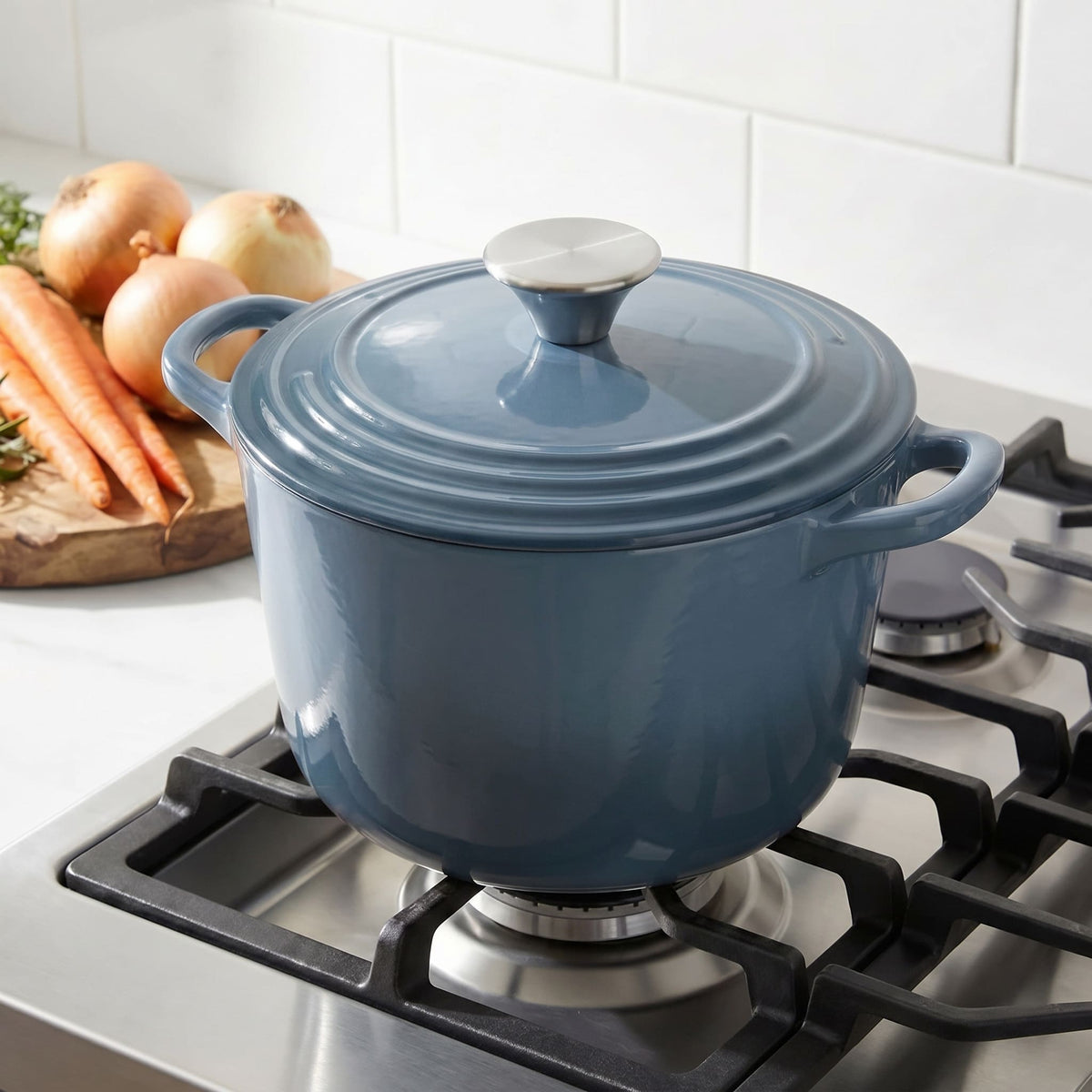


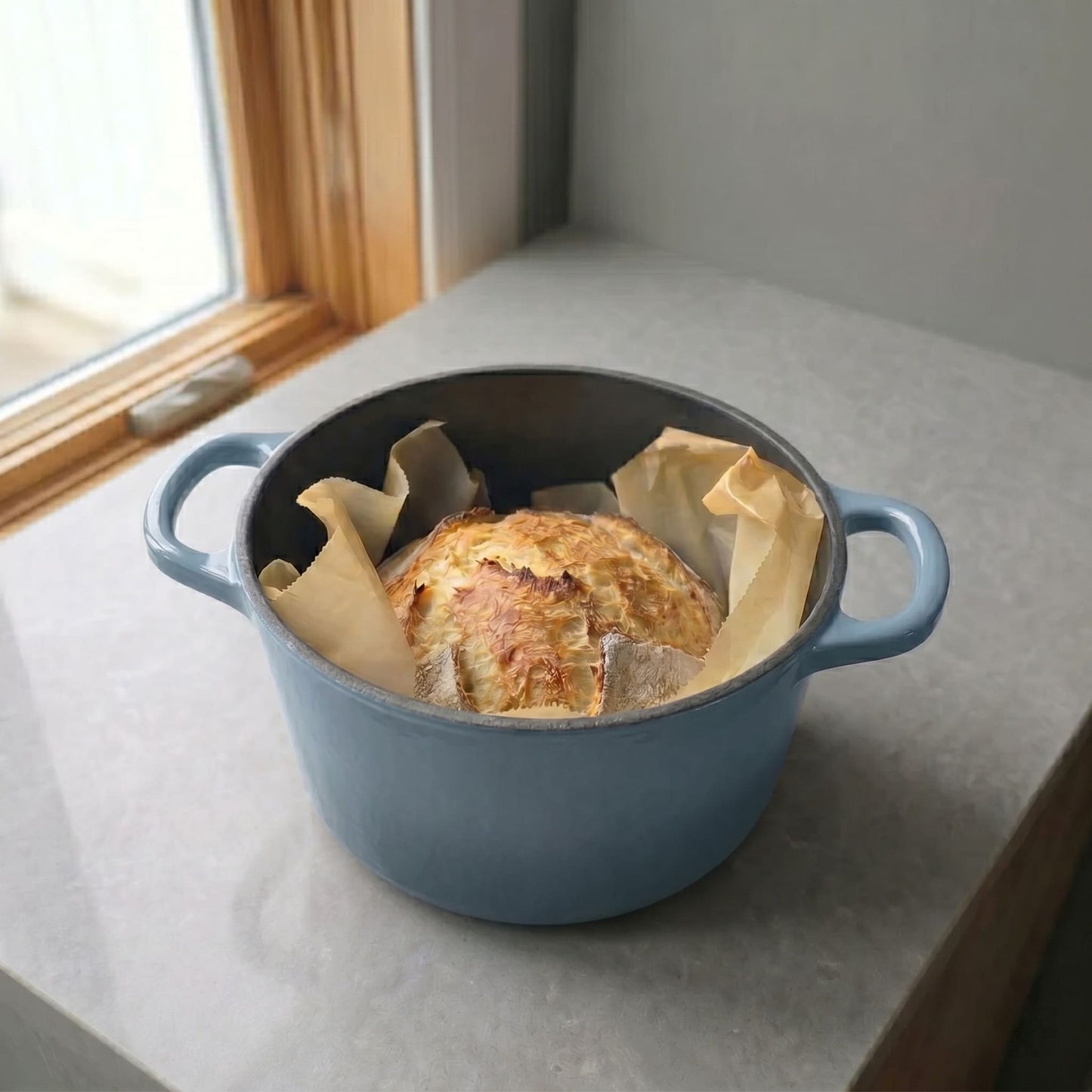
Why You'll Love It
-

Deep Shape, Compact Footprint
-

Steady Cast Iron Heat
-

Smooth Enamel Interior


Customers praised this compact cast iron pot as "perfect size" for small households, bread baking, and rice cooking. Many noted excellent heat distribution, easy cleaning, and beautiful colors. However, some reported enamel chipping issues and smaller-than-expected dimensions. Overall rated highly for quality at an affordable price point.
- Perfect rice everytime! It's well built, beautiful and arrived so fast
- Perfect size for a small rustic bread loaf. Beautiful color, heavy weight, lid fits snugly.
- It not only cooks food well but it reheats food easily and on low heat. I love this pot!
I bout 2 of these for making artisan bread. They come out great every time!

I was in the market for a smaller not so priceyDO to bake sourdough bread inFor the price I feel this DO is very goodIt came double boxed so no damages like others have mentionedI’ve used it once & it’s perfect for my needs

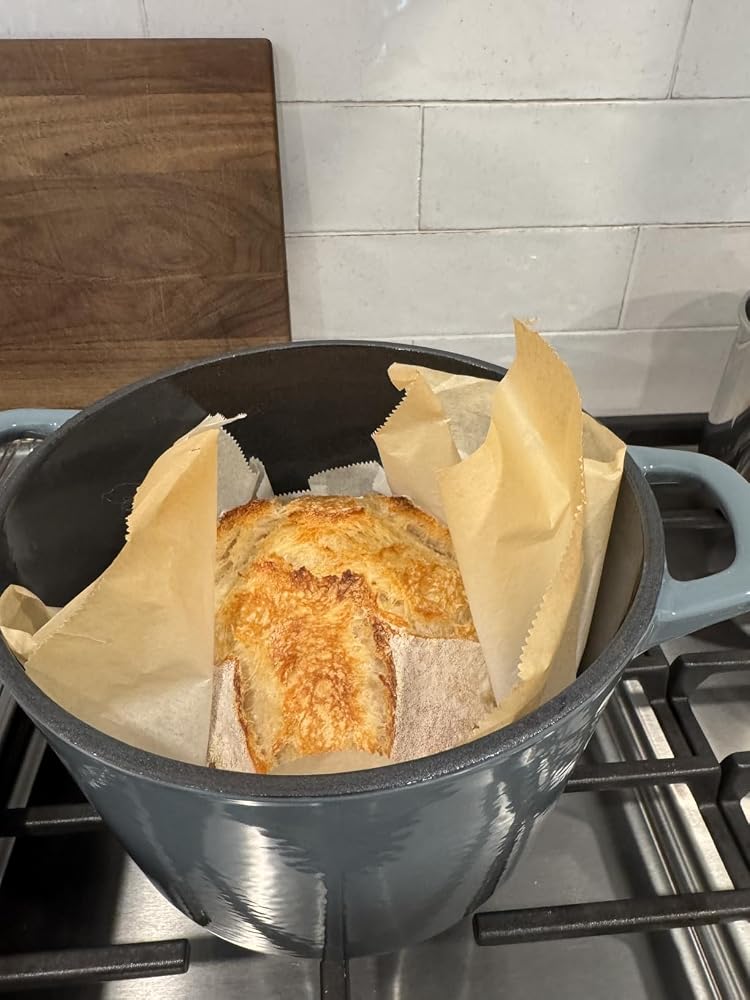

Ok - SUPES CUTE!!! Make the cutest mini sourdough loafs! I am an avid baker and when wanting to make a smaller loaf, I turned to this item. I have to say I was really impressed. The loves rose so nicely and the cutest little shape. Highly recommend!

I wanted a smaller enameled cast iron pot that would fit on my small stove with other pots, but be tall enough to hold a decent amount food.Zero cosmetic issues on arrival (great packaging & QC), held heat and cooked perfectly. Moisture retention is excellent. Very happy with the purchase.
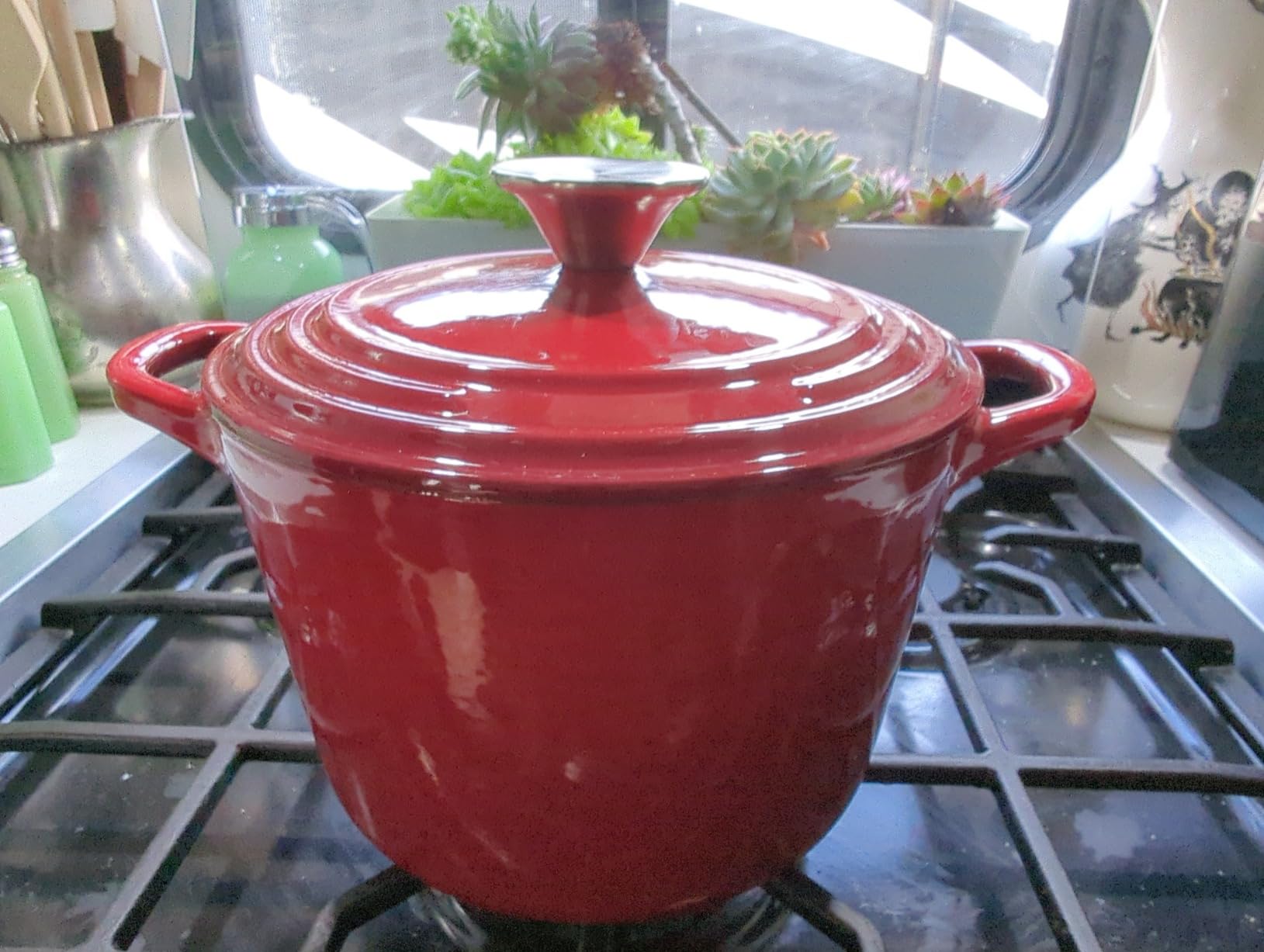
I have been looking for a cast iron pot like this for several years. It is a 2.8 qt pot, but it is deep which forces the dough up for height instead of spreading out for a low loaf of bread. It makes a small loaf of course and for those who bake bread, it comfortably holds a 3 cup batch of dough. My recipe for anyone interested is: 1 1/2 cups of warm water, 2 t sugar and 1 T quick yeast, let activate for 10 minutes, then add 3 cups flour and 1 t salt. Double in size, punch down and let it rise again for 15 to 30 minutes, dump into the cast iron pot and bake 30 minutes with lid on then remove lid and brown to for 5 minutes. Also a perfect size to give to anyone who likes homemade bread. Enjoy.
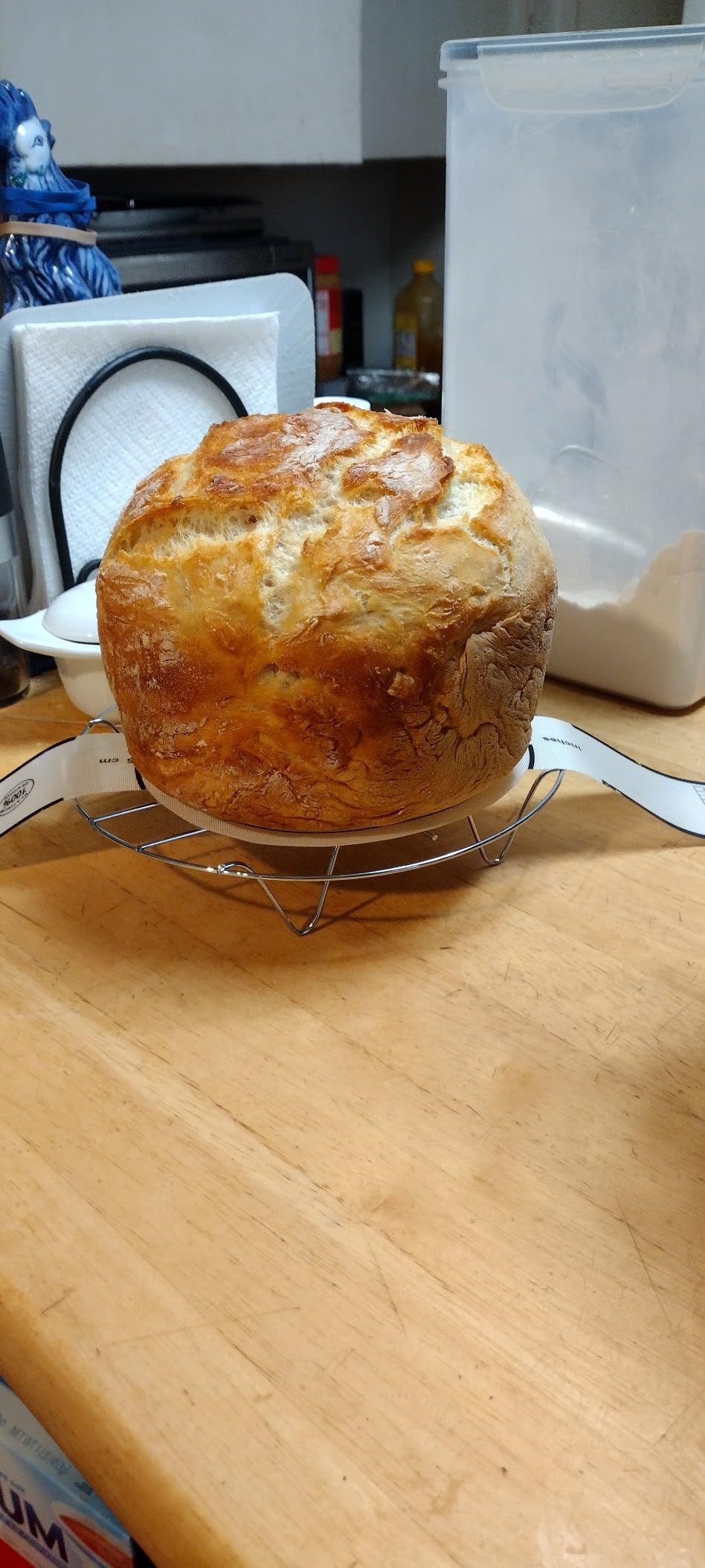
It’s exactly the size I needed and it has been a perfect edition for my kitchen.
Beautiful and great quality
It not only cooks food well but it reheats food easily and on low heat. It looked too small for my usual food prep but it is amazingly robust. I even heated up some corn tortillas. The key is to preheat. I love this pot!
Cooking rice working quite well.
Boiling soup also very good.
This is a small round Dutch oven I bought after borrowing something similar from a friend.I bought it for baking a small loaf to share. It performed perfectly, and I will definitely be trying it for cooking rice next. It is very high quality, a very nice finish!
Perfect size!!!
This turned out a little smaller than I thought but I’m using it a lot! Haven’t tried my sourdough in it but anxious to try it soon. Very beautiful color and craftsmanship.
i am one of those fortunate cooks who has several large LC dutch ovens but it is no longer in my budget. my home burned down last june and i lost my oatmeal pot. i thought i could manage with other vessels but realized i could not. finding your site and this very perfect pot, at a very perfect price point, was a very perfect thing. it's lovely and sweet and colorful and it now sits on my range or counter all the time. thank you!
It’s petite and gorgeous! I can not wait to cook in it!
Quality product
Perfect rice everytime! It’s well built , beautiful and arrived so fast
Perfect size for us. easy to clean
Very pleased with quality.
Got both sizes perfect. Love. Clean up nicely.
Great size great for cooking fish in or chicken or whatever for one person that's me
Great for my bread baking. I use it very often.
This was given as a Christmas gift
Cute little pot perfect for sauce
Very nice. Great quality and so pretty
Holy Toledo is this thing nice! Perfect size for a small rustic bread loaf. Beautiful color, heavy weight, lid fits snugly. Highly recommended!
The quality is great. I've cleaned it in the dishwasher many times. The size is perfect for 2 people and can be used on my induction stove or in the oven.
Perfect size for mini sourdough loaves. As advertised and does well for the purpose I bought it for. I make 300g loaves and they fit in this and get good oven spring.
This is a great little pot good for cooking for one or two. Works perfectly on a gas stove with perfect heat distribution. Food cooks fast!
Just the right size. Just received but made oatmeal in it and cleaned up nicely. Color is beautiful
I love this easy to clean pot. The color is a show stopper. Durable with excellent quality